


In a country where agriculture remains the single largest source of employment, one Ugandan nonprofit has built what amounts to a talent pipeline for the agricultural sector, and it is doing so by recruiting from the population most employers overlook: vulnerable youth, young women, and even juvenile offenders passing through the country’s remand system.
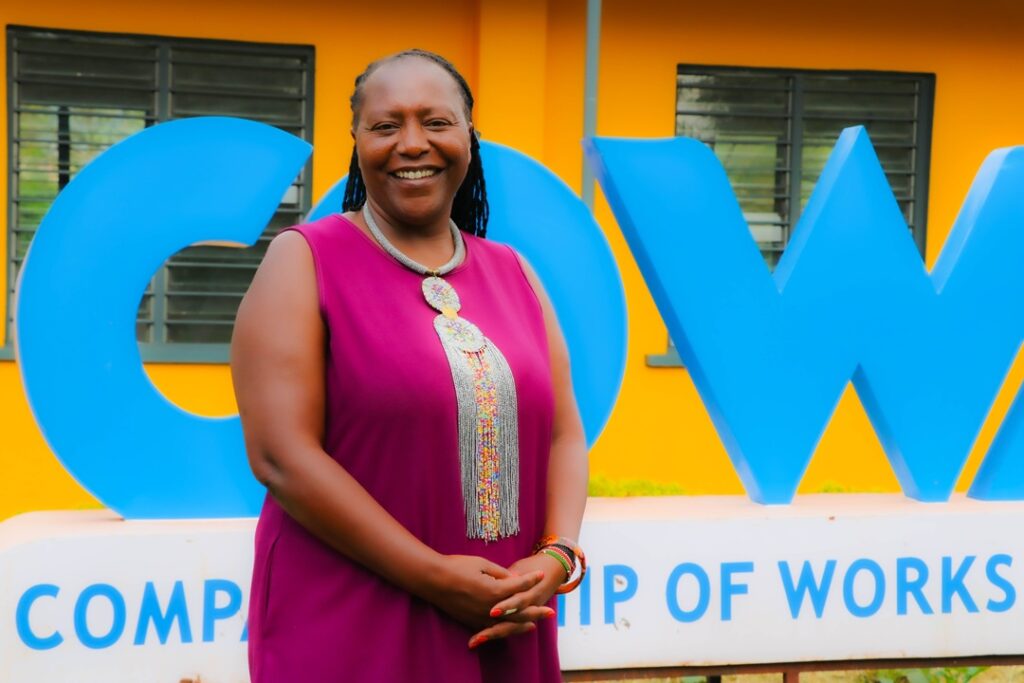
The organization is the Companionship of Works Association (COWA). Founded in 1988 and formally registered as an NGO in 1994, COWA has spent nearly four decades building what its Executive Director, Chrispine Wanyahoro, describes as a deliberately narrow strategy: turn vulnerability into employability, fast.
“The fastest way for a vulnerable youth or a woman or a girl to get into the world of work is through a skill,” Wanyahoro says.
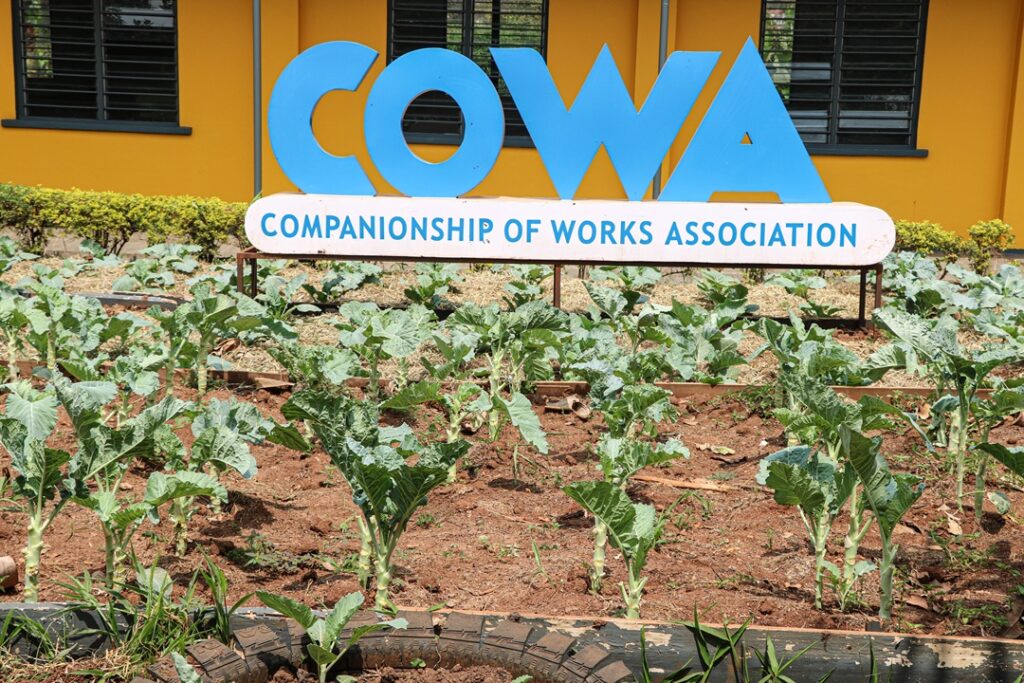
The Business Case for Agriculture
COWA runs two training campuses, the COWA Vocational Training Centre (VTC) in Kireka and COWA CVTS, the Centenary Vocational Training School, in Nsambya. Both offer a menu of trades: hospitality, hairdressing and be auty, catering, welding and metal fabrication, domestic electrical work, information technology, and carpentry.
But the board’s decision in 2013 to add agribusiness entrepreneurship to that line-up was, in Wanyahoro’s telling, closer to a market calculation than a charitable afterthought. “In Uganda, agriculture is the main source of employment,” she says. “When you are vulnerable, you’re looking for a skill that can put you to work. And the fastest way is to do an agriculture course.”
That bet has made COWA an outlier in its own backyard. Despite being based in Wakiso, a district many assume lacks room for farming instruction, COWA became one of the few vocational schools in the area to run a dedicated agriculture program.
A Workforce Pipeline Inside the Remand System
Perhaps COWA’s most unconventional line of business is where much of its agricultural training actually happens: inside juvenile remand homes.
COWA has long partnered with Naguru Remand Home, working with offenders aged 12 to 17. In 2022, the organization scaled that model into a three-site operation spanning Naguru, Kabale, and Gulu remand homes, concentrating on agricultural skills above other skills.
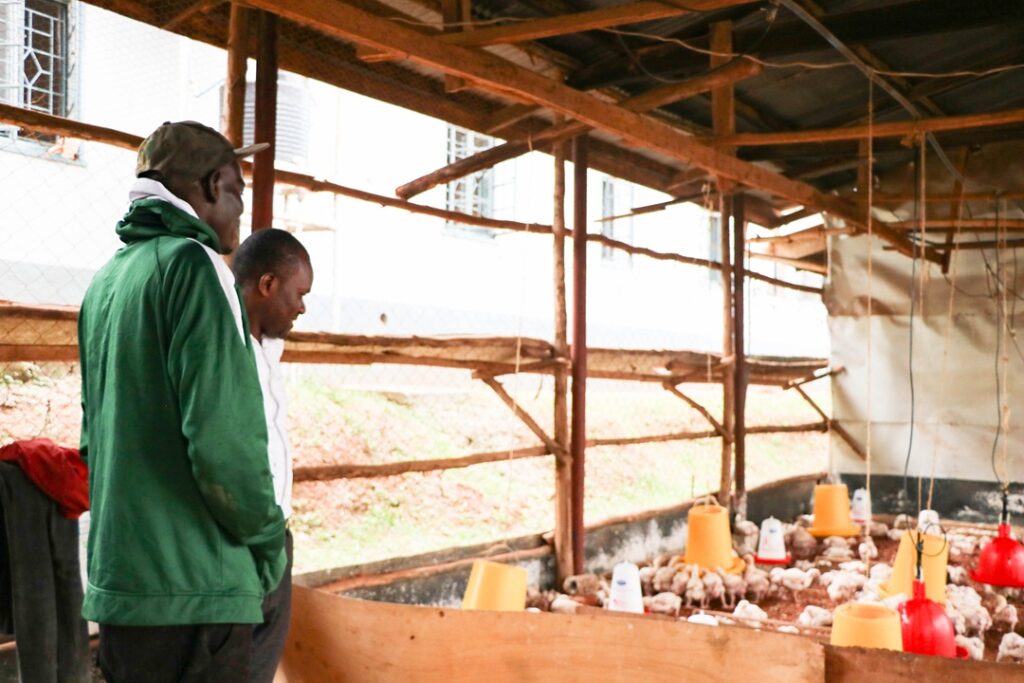
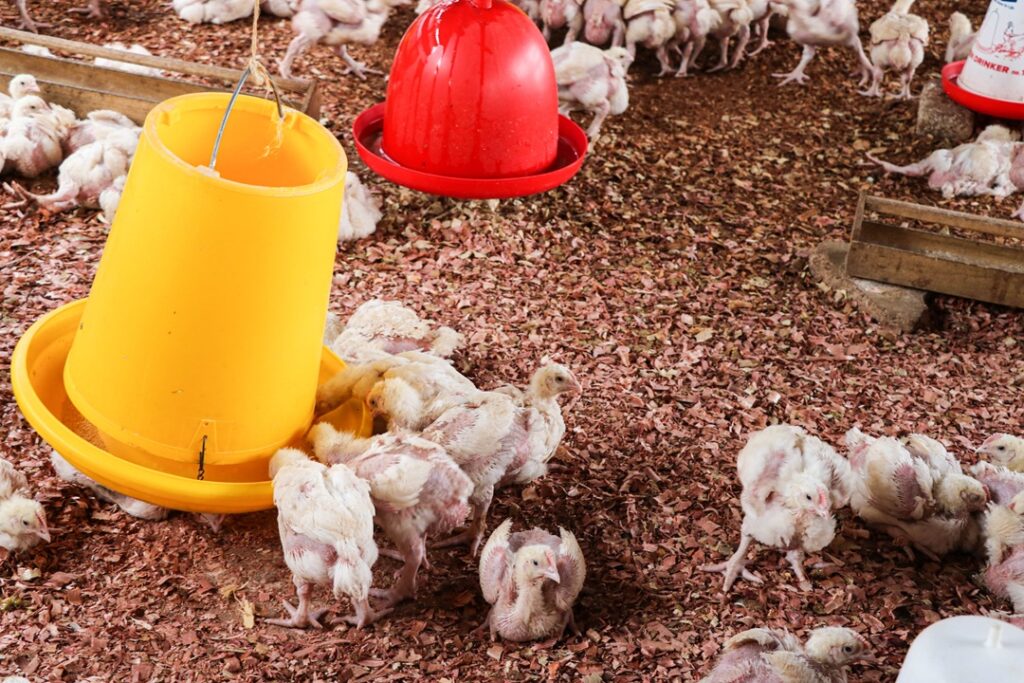
The rationale is straightforward supply chain logic. “Most of them come from the communities where there’s land,” Wanyahoro explains, “and most of them will not go back to school.” Rather than a skill with no local application, COWA equips residents to grow vegetables, raise poultry and rabbits, output that flows directly into the remand homes’ own kitchens too.
The numbers behind this operation are notable for a program run inside correctional facilities.
Over the past four years, COWA has certified roughly 1,000 juveniles through its agricultural training. A recent internal assessment counted 190 youths currently enrolled, while Naguru alone can hold as many as 300 young people on a given day.
“This is also a way to make them get integrated back to the society,” Wanyahoro says of the program’s dual purpose, part rehabilitation, part vocational onboarding.
Scaling Beyond the Campus
COWA’s own centers host a combined 100 to 200 students at any one time, a modest figure next to its community footprint. To reach youth who cannot travel to a campus, COWA runs mobile training sessions, setting up in neighborhoods through local council structures. “For example, you go within Nakawa Division, you talk with the LC1, you set up a training tent,” Wanyahoro says. “Within three hours, you’re able to impart a skill.”
That outreach model has been deployed heavily among girls who dropped out of school during the COVID pandemic. Between last year and this year, COWA trained approximately 700 young girls through community sessions alone. The organization has also trained fish farmers and pig farmers directly in surrounding communities and partnered with other vocational providers, including a mushroom cultivation program in Kisubi, where Wanyahoro says enrolment numbers have run high as well.
Curriculum Built Around Market Demand
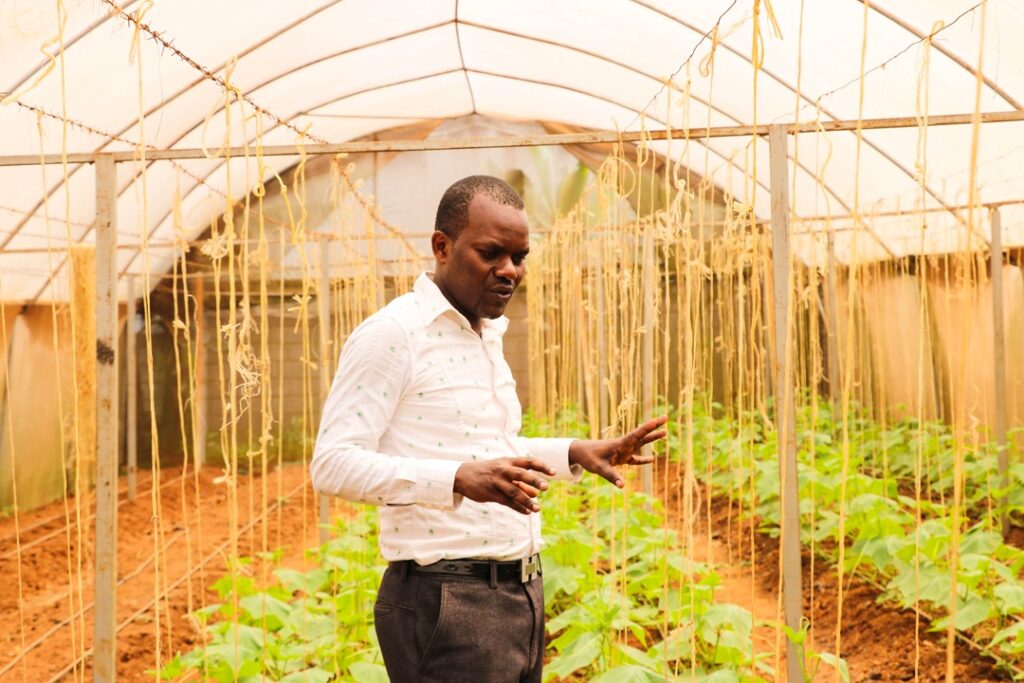
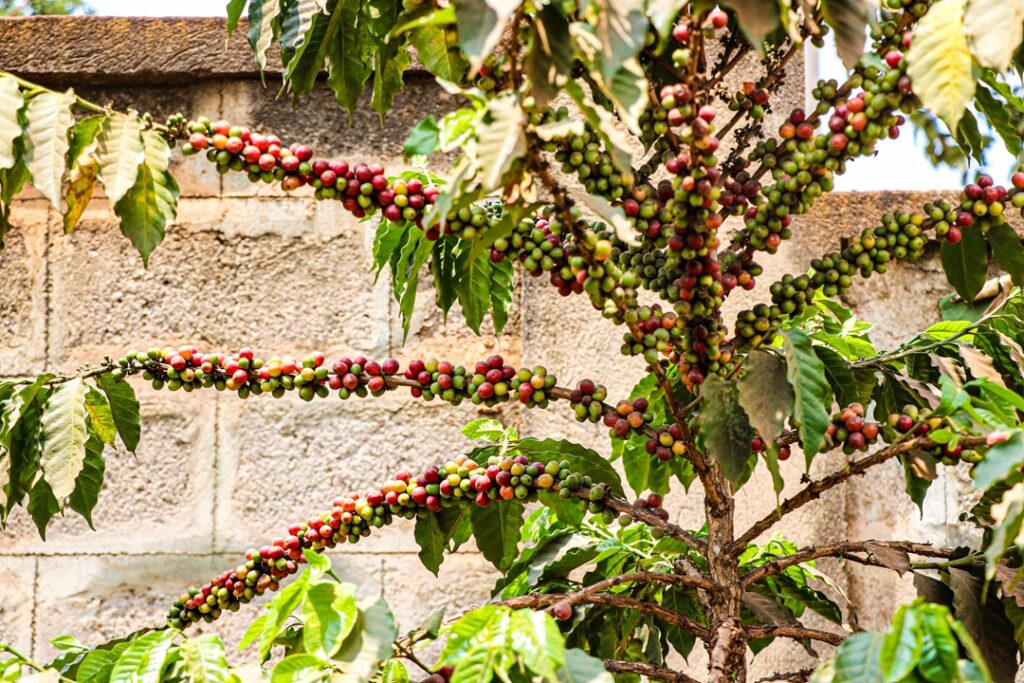
On campus, the agribusiness entrepreneurship course runs two years across four semesters, structured around a dual model of classroom instruction and hands on placement at partner farms. Students also work within the centers’ own small commercial enterprises in fish, poultry, and mushroom production.
Wanyahoro positions the school as more than a training provider for its own enrolees. COWA periodically hosts outside farmers for knowledge exchange sessions, sometimes with partners such as the International Livestock Research Institute (ILRI), covering new seed varieties, climate adaptation, market access, and value addition.
Land constraints have pushed the curriculum toward what Wanyahoro calls urban farming: high efficiency techniques for small plots, careful seed sourcing, and water management.
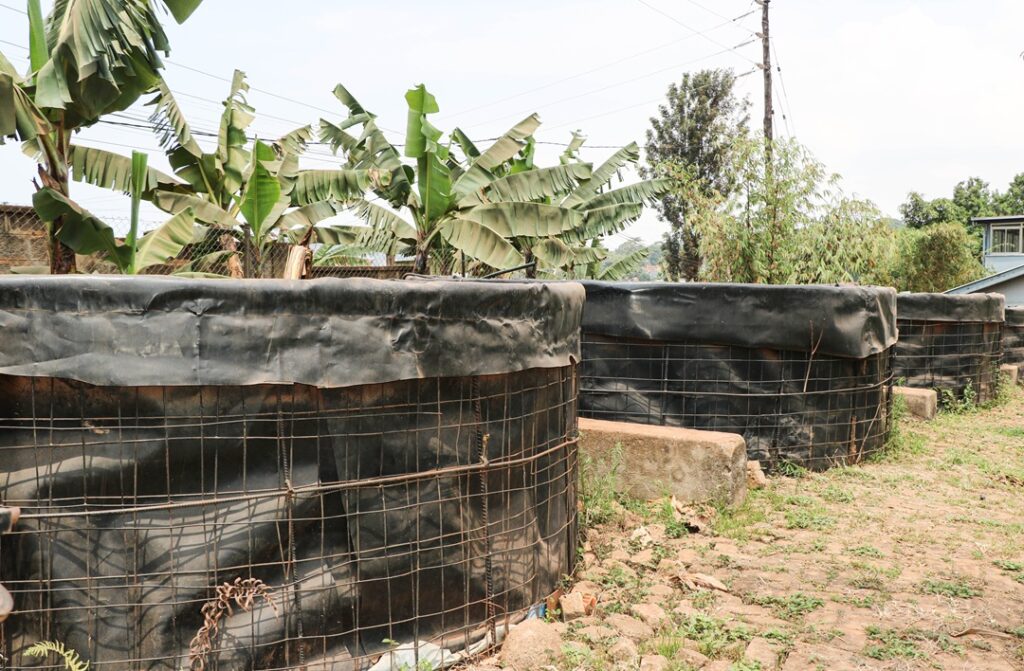
The school is also looking toward tank based fish farming and hydroponics as wild fish stocks decline. “People are doing what we call caging and tank systems and pond systems,” she notes. “We need young people who know how to work with the structures and infrastructures that are current.”
Retention and Placement: The Metrics That Matter
Unlike many training programs that end at graduation, COWA embeds employability training and job placement services directly into its coursework, even in courses lasting only three to six months. “Most people get a skill, but then they cannot employ themselves,” Wanyahoro says. “They don’t have what we call soft skills.”
Through the organization’s Job Center, COWA tracks its graduates for up to three years, following up roughly six months after course completion through calls and site visits.
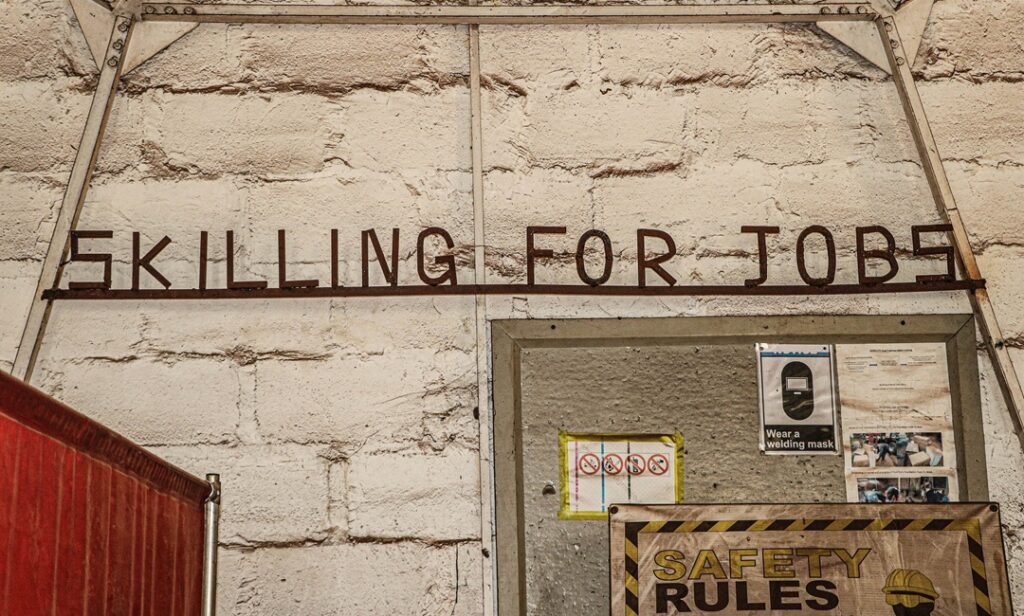
The Job Center services are open to COWA learners, alumni, and other graduates from the community.
It offers the following services:
- Computer Fundamentals Training
- Employability Skills Training
- CV Writing and Interview Preparation
- Research Support
- Job Attachments and Internships
- Job Fair Sessions
COWA has also built relationships with small and medium enterprises that recruit directly from its graduate pool, a feedback loop Wanyahoro says helps refine the curriculum as much as it helps place workers.
The Gaps Still Facing the Sector
Wanyahoro is candid about structural headwinds. Awareness of what vocational skilling can offer remains low among young people, though she says that is shifting. Resources are limited, and until recently there was no clear regulatory framework governing the sector. That is changing with the rollout of Uganda’s TVET policy and a national TVET council, which Wanyahoro expects will standardize curricula and clarify progression pathways for learners regardless of academic background.
She also flags a persistent friction point between training output and employer expectations. “There is a big demand,” she says, citing farm owners who call looking for poultry or piggery workers. “But the challenge we find is that there is a lot of turnover, because the expectations don’t meet between the young people and the owners of the enterprises.” She sees Uganda’s new employer led skilling policy as a corrective mechanism, one that should force training providers to align more tightly with what farms and enterprises actually require.
What’s Next
COWA’s board is prioritizing infrastructure upgrades, citing limited workshop space as a constraint on further scale. Artificial intelligence has also entered internal planning discussions as the organization considers what capabilities its facilities will need next. The organization is running ongoing baseline studies to keep its programming aligned with community needs as it grows.
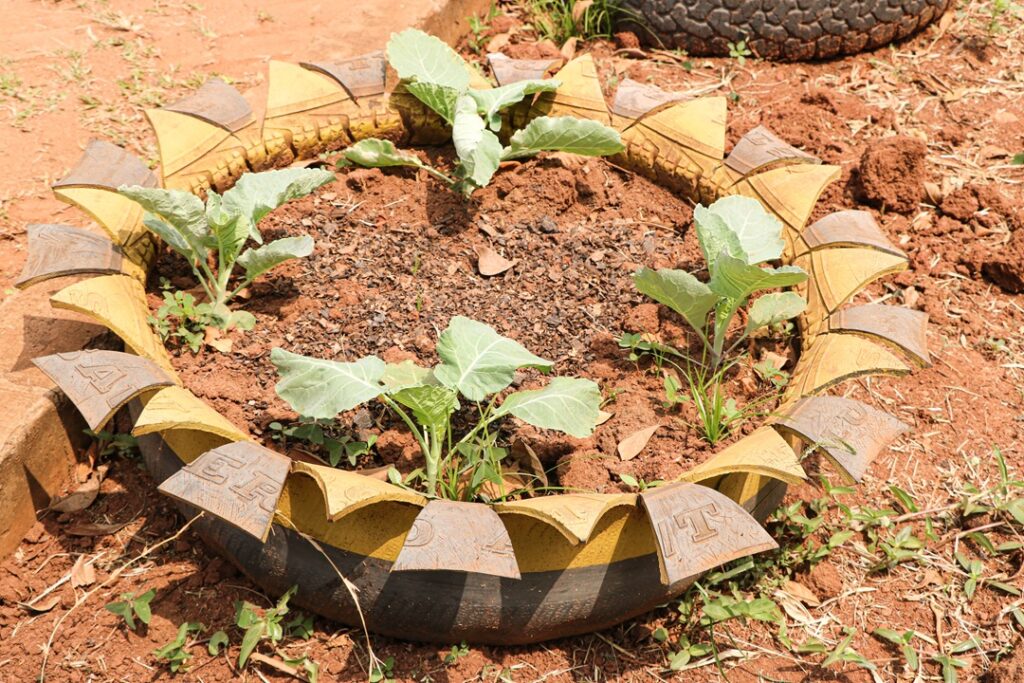
Nearly forty years after its founding as a response to crisis, COWA has effectively built an alternative labour market entry point for a population most formal training institutions do not reach: vulnerable youth, women, and young offenders. Its bet on agriculture, made in 2013 and expanded steadily since, has turned rabbits, mushrooms, cabbages, and fish tanks into a functioning, if modest, workforce development engine for one of Uganda’s most essential industries.
