
As the river shows signs of dying, a restoration drive aims to protect the water, soils and livelihoods that feed Western Uganda
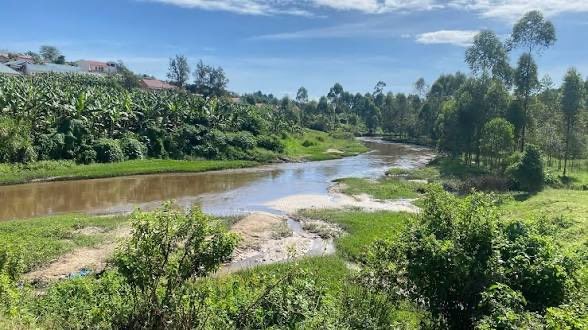
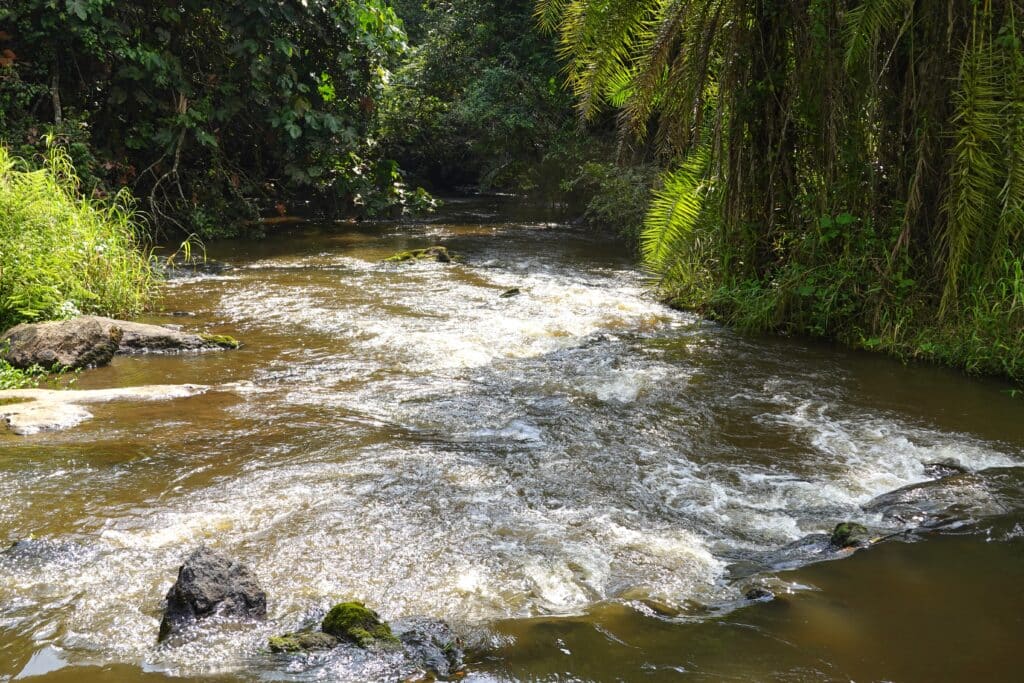
River Rwizi begins in the steep hills of Buhweju District and flows through or drains a catchment spanning 12 to 14 districts in western and southwestern Uganda. For the farmers, agro-processors and agro-entrepreneurs along its path, it is far more than a river. It is the foundation of a regional economy.
Together with its wetlands, the river regulates flows, retains water, controls floods and erosion, filters pollutants and conserves biodiversity. For farmers, that means reliable, clean water for crops and livestock, protected soils and more stable yields. For agro-processors, it means the steady supply of clean water and quality raw materials needed to meet hygiene standards and keep production running. For agro-entrepreneurs, it underpins irrigation, horticulture, fish farming, value addition and eco-tourism, while lowering business risk.
That matters because Western Uganda is widely known as the “food basket” of the country, and agriculture is the region’s economic and cultural backbone.
A river under pressure
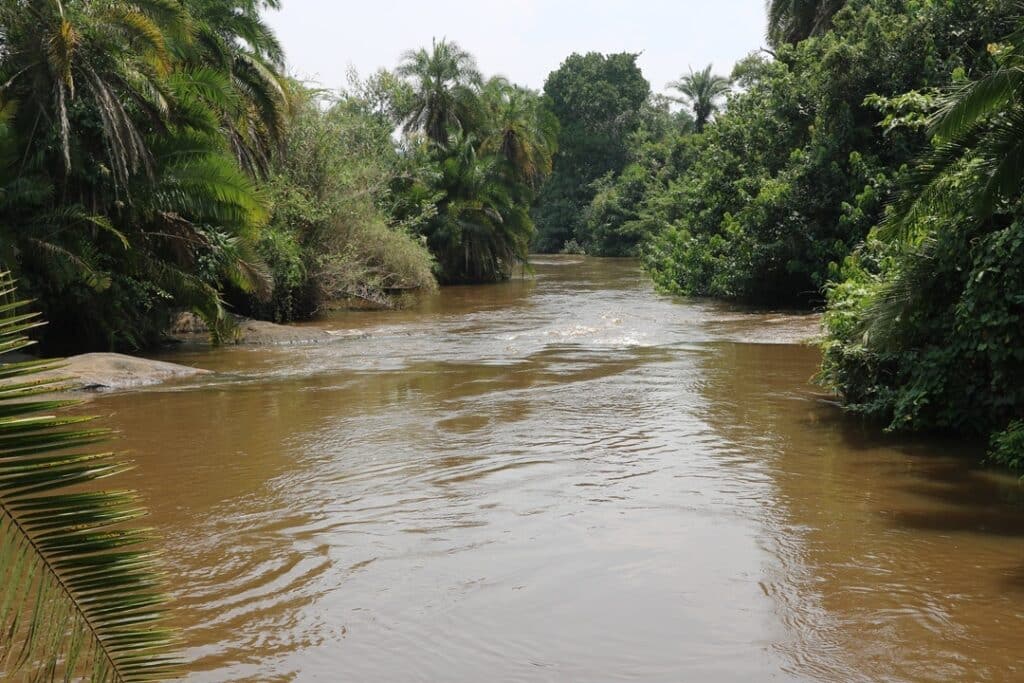
That backbone is now under strain. A 2025 study by Mbarara University of Science and Technology (MUST) researchers tested the water at 17 sites along River Rwizi, from Buhweju to Lake Mburo. The results show a river under pressure.
- Less wetland, more farmland. Earlier research cited in the study shows that cropland in the catchment grew by over 26% between 1997 and 2019, while wetlands shrank. Wetlands clean the water, so the river is losing some of its natural filter.
- Muddy water. At almost every site, the water was cloudier than the World Health Organization (WHO) recommends. Researchers linked this to sand mining, animals drinking at the river and washing along the banks.
- Pollution in farming areas. Selenium was highest at Kanyabukanja, a mainly farming area, and the authors link it to farm inputs. Iron and aluminium also went above WHO limits at some sites.
- Weak wastewater treatment. Mbarara’s three wastewater ponds, including the one at Katete, handle only about 5% of the city’s sewage. At the worst-performing pond, they removed as little as 6% of metals.
- Risk to food. The authors warn that watering crops with polluted water can harm the soil and let toxic elements enter crops and the food chain.
- More demand ahead. Water demand in the catchment is expected to rise from 17.4 million to 28.1 million cubic metres by 2040.
Source: Birungi, G. et al. (2025). Occurrence of toxic metals in river Rwizi surface water and efficacy of wastewater stabilization ponds in Mbarara City, Uganda. Discover Environment, 3:235. https://doi.org/10.1007/s44274-025-00446-w
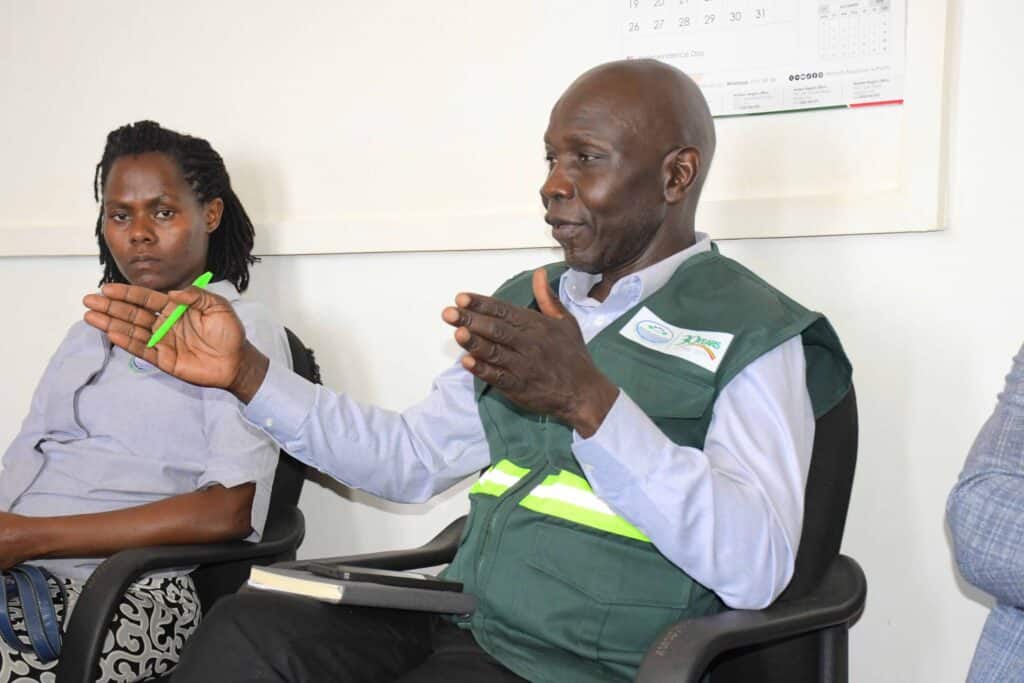
Past restoration efforts by government, local governments, conservation organisations and communities have helped, but they have not reversed the river’s decline. According to Wilbert Ikilai, Assistant Commissioner for Environment Education and Advocacy at the National Environment Management Authority (NEMA), reports from the Ministry of Water and Environment and Mbarara University of Science and Technology all point in one direction: the river is dying.
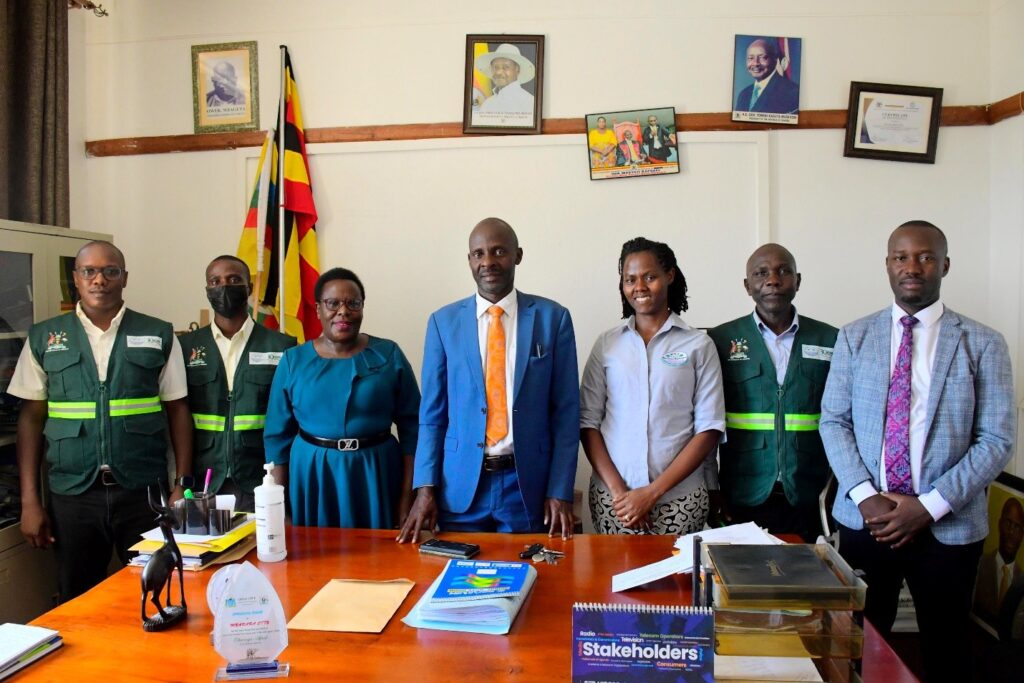
NEMA steps in
In response, NEMA, working with the Ministry of Water and Environment and Mbarara City Local Government, has begun a coordinated effort to revive the river as part of its mandate to protect the environment and the economic activities that depend on it.
The first step was community engagement. From Monday 5 to Thursday 8 October 2026, NEMA held awareness and sensitisation meetings in heavily encroached areas around Katete Bridge and Kasanyarazi.
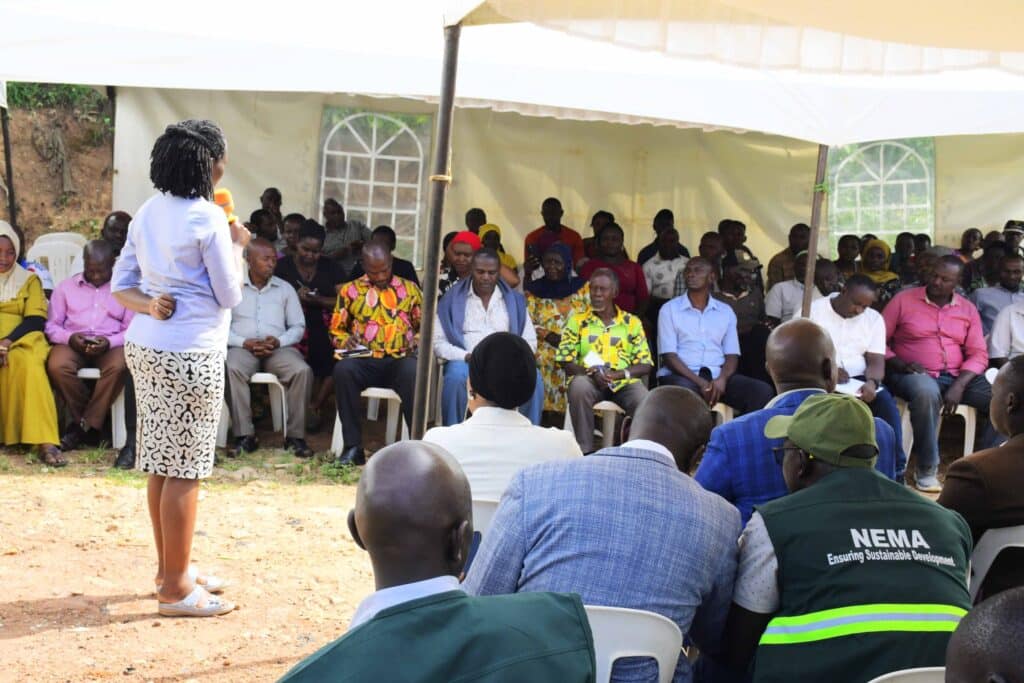
“The aim was to strengthen public understanding of the importance of River Rwizi, promote compliance with environmental requirements and mobilise communities to support restoration,” Ikilai said.
He explained that the meetings are meant to prepare residents for change. Communities will need to relocate activities that harm the river to a safe distance from it and take up protective measures, such as planting bamboo along the buffer zones to safeguard the river’s life.
What happens next?
Ikilai said engagement has already taken place in Sheema and Mbarara and will extend to Buhweju, Rwampara, Kiruhura and finally Lyantonde. Other districts will follow, but these are NEMA’s first priority.
The plan then moves to enforcement. NEMA will map and profile the people operating within the gazetted area. Depending on the activity, it will issue stop orders or restoration orders, and those who do not comply will face enforcement. The agency has set a timeline running from October 2026 to June 2027.
What restoration will deliver
When the plan succeeds, the benefits reach well beyond the riverbank. Restoring the river and its wetlands will secure year-round water, reduce floods and erosion, improve water quality and public health, raise farm productivity, expand agribusiness and employment, revive biodiversity, build resilience to climate change and sustain livelihoods for generations.
For the farmer, that means a steadier harvest. For the processor, a dependable supply chain. For the young entrepreneur, a river that creates opportunity rather than risk.
A shared responsibility
Enforcement alone will not save River Rwizi. Restoration will succeed only if the people who live and work along its banks see the river as an asset worth protecting. For Western Uganda’s food basket to keep feeding the nation, farmers, processors, local leaders and entrepreneurs will need to work alongside NEMA over the next eight months and beyond.
