
POV: Mabel Sebikari, Founder of Sapphire Dairy Alternatives, on Uganda’s Plant-Based Dairy Products, Certification Hurdles, and What Is at Stake for Agribusiness Growth
In 2020, as the COVID-19 pandemic forced households into lockdown, Mabel Sebikari, founder of Sapphire Dairy Alternatives transformed her kitchen experiment into a business that now stands at the forefront of the country’s plant-based dairy movement. What began with cashew nut milk shared with her neighbour as a willing “guinea pig” has evolved into a certified cottage enterprise producing a diverse portfolio of dairy alternatives and raising critical questions about Uganda’s food systems, regulatory frameworks, and market readiness.
Building a Portfolio Beyond Milk
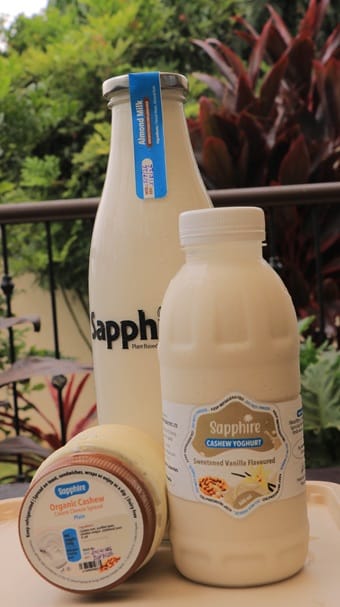
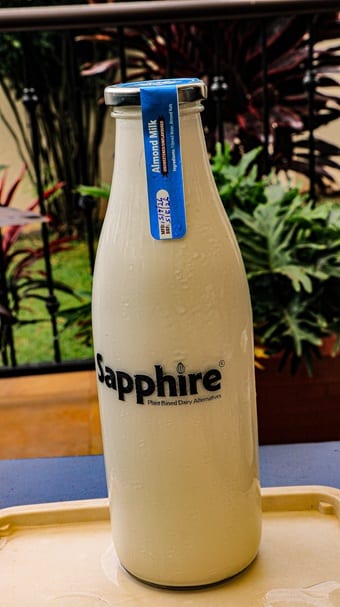
The company’s product line reflects both innovation and consumer demand. From cashew and almond milk in plain and flavoured varieties, to soy and cashew yogurt, cashew cream cheese spreads, and plant-based ice cream, the brand has positioned itself as a credible alternative to traditional dairy.
The company’s strength lies in its consumer demand and product diversity, each carefully crafted to meet health, lifestyle, and dietary needs. As the founder explains: “One thing I can guarantee is that the quality is maintained and it’s also very tasty.”
- Cashew and almond milk; available in plain unsweetened form or flavoured with vanilla, cinnamon, and chocolate. “We don’t add preservatives or unnecessary ingredients. It’s simple, natural, and healthy.”
- Soy and cashew yogurt; offered in unsweetened and flavoured varieties. “Our yogurt can last up to six weeks under refrigeration, and customers love it with granola or in smoothies.”
- Cashew cream cheese spread; a dairy-free alternative available in plain, garlic & onion, and chili flavours. “It mimics the taste of cheese, but without animal products. You can use it as a spread or a dip.”
- Plant-based ice cream; made from soy and cashew nuts. “It’s indulgent, but still healthy. People are surprised at how creamy it is.”
These products are not niche luxuries; they respond to pressing health and dietary needs. With over 70% of Africans estimated to be lactose intolerant, plant-based substitutes are not simply lifestyle choices but essential dietary solutions. The company’s founder emphasizes that the products are “ideal for people trying to get off processed foods, those managing chronic illness, and children struggling with dairy allergies.”
Certification as a Barrier to Scale
The business secured certification from the Uganda National Bureau of Standards (UNBS) for its plain milk, a milestone that underscores both progress and systemic challenges.
Certification requires clear recipes, consistent sourcing, and rigorous quality management systems. Yet the costs remain prohibitive: each product variant demands separate testing and annual fees. For small-scale processors, this creates a structural bottleneck.
“The certification fee is about UGX 500,000 (≈ $135), and the testing fee which varies around UGX 700 (≈ $0.19) per individual product depending on the test quickly adds up. If you have more products, you face more testing fees. For small businesses, that becomes a significant challenge.”
While UNBS has introduced support mechanisms for cottage industries, the per-product fee structure continues to limit diversification.
Raw Material Realities and Supply Chain Risks
Uganda’s agronomic strengths and weaknesses are sharply visible in this sector. Soybeans are locally abundant, offering scalability through partnerships with farmer communities. Cashews, though increasingly available from Tanzania, remain partly imported. Almonds are fully dependent on foreign supply chains, exposing the business to volatility in global markets.
“Maintaining the same supplier is very important. If almonds come from California one season and Turkey the next, the taste and shelf life can change. To maintain quality of our products in addition to maintaining suppliers, we undertake checks such as Ph and sensory tests daily.”
Ms. Sebikari argues for research into local almond cultivation, citing Uganda’s success with temperate crops like grapes and apples. If realized, such innovation could reduce import dependence and strengthen Uganda’s competitiveness in the global plant-based market.
Market Potential and Economic Implications
Globally, plant-based dairy is a multi-billion-dollar industry. Uganda’s entry into this space is both timely and strategic. Locally, affordability remains a constraint: A litre of almond milk at Sapphire Dairy Alternatives retails at UGX 27,000 (≈ $7.30), pricing out many consumers. Soy milk, however, offers a more accessible option, and as cashew production expands regionally, costs are expected to decline.
The export opportunity is clear. Uganda’s lower labour and raw material costs could offset equipment expenses, positioning the country as a competitive supplier to international markets. But scaling requires investment in processing infrastructure, certification capacity, and consumer awareness.
Climate Responsibility and Future Prospects
Beyond economics, the business situates itself within the climate agenda. By offering alternatives to dairy, it contributes to reducing greenhouse gas emissions linked to cattle farming. Even production by-products are repurposed for animal feed or fertilizer, minimizing waste.
Looking ahead, the company envisions partnerships with farmer communities, securing consistent raw material supply and expanding into supermarkets nationwide, employing young people, and establishing itself as a household brand.
