
Forests integrated with beekeeping are emerging as a powerful trend in agricultural and environmental restoration, delivering both ecological resilience and economic gains.
With global climate policies shifting under the UN’s Conference of the Parties (COP), initiatives like Uganda’s Mt. Elgon Conservation Project are demonstrating how trees and bees together can restore degraded landscapes while sustaining livelihoods.
The Global Context
COP28 (Dubai, 2023), COP29 (Baku, 2024), and COP30 (Belém, 2025) placed forest conservation and restoration at the center of climate action. These summits emphasized halting deforestation by 2030, scaling finance for forest protection, and empowering Indigenous Peoples and local communities.
Forests are now seen not only as carbon sinks but as hubs for nature-based solutions that integrate biodiversity, livelihoods, and climate resilience.
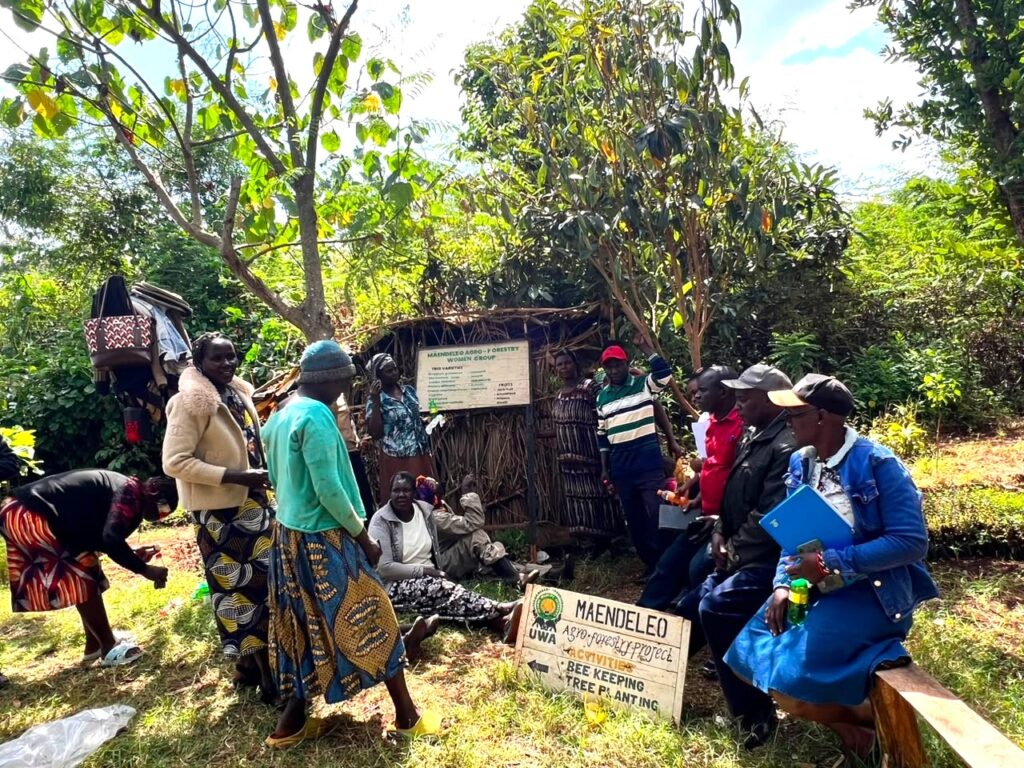
Uganda’s National Environment Management Authority (NEMA) is spearheading this effort through its Mt. Elgon Conservation Project in Bukwo District. The program distributes tree seedlings and bamboo to stabilize slopes and riverbanks, while simultaneously equipping farmers with nectar-producing trees, modern beehives, and comprehensive apiculture training. The approach is designed to combat soil degradation, reduce landslide risks, and provide alternative livelihoods for mountain communities.
Sweet Returns on Green Investments
Bees are central to this vision. They enhance forest health by enabling plant reproduction, while providing farmers with diversified income streams through:
- Honey: Often called “liquid gold,” honey is consumed locally in Uganda and exported internationally, providing farmers with steady income.
- Beeswax: Highly demanded in cosmetics, candle making, and pharmaceutical industries due to its versatility and natural properties.
- Propolis: Collected for its powerful medicinal qualities and sold as a natural health product.
- Bee Pollen: Packaged and marketed as a nutrient-dense superfood supplement, popular in health and wellness markets.
Unlike traditional livestock, hives require minimal investment and labor, yet yield steady returns since honey can be harvested multiple times a year. Beyond economics, bees act as keystone species, pollinating more than 80%of flowering plants, including Uganda’s major cash crop, coffee.
https://nru.uncst.go.ug/server/api/core/bitstreams/960e035c-edbb-456c-89e2-48ec63cdcd49/content
Their pollination services secure food production, stabilize root networks, and reduce erosion, making them indispensable to both agriculture and forest ecosystems.
On Monday, July 13th, 2026, a monitoring team comprising NEMA’s Project Management Unit, the Uganda Wildlife Authority, district officials, and community members visited Maendeleo Women Group in Kapyorot Village, Chepkurawar Parish, Suam Sub-county, Bukwo District to assess the project’s progress.
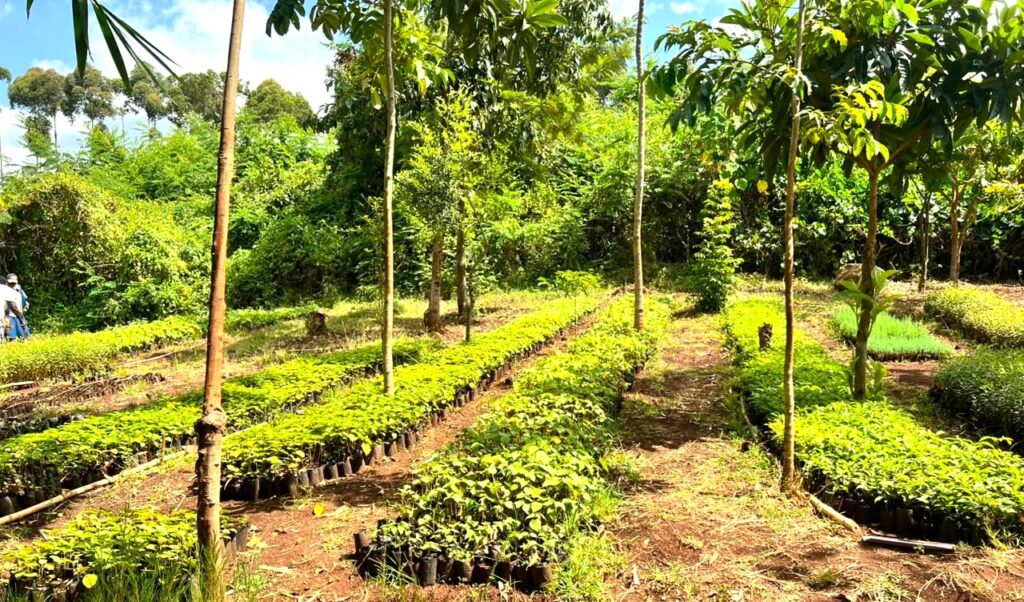
The Maendeleo Women Group, beneficiaries of 40 modern beehives, indigenous and fruit tree seedlings, honey harvesting suits, and smokers, showcased impressive results. All hives had been successfully colonized, reflecting the effectiveness of technical support.
Members reported improved skills in beekeeping and sustainable land management, noting that the planted trees were restoring the environment, reducing pressure on the adjacent protected area, and creating new livelihood opportunities.
Challenges remain. The group cited theft of honey and seedlings, destruction of young trees by free-ranging livestock, and insecurity as persistent obstacles. The monitoring team recommended continued technical support, stronger community sensitisation to protect project investments, provision of additional harvesting equipment, and improved security measures to safeguard the apiary.
Despite these hurdles, the intervention is delivering tangible environmental and livelihood outcomes. By integrating forests and beekeeping, NEMA’s Mt. Elgon Conservation Project is not only restoring fragile ecosystems but also strengthening household incomes.
As global climate negotiations under COP continue to emphasize nature-based solutions, Uganda’s example highlights how bees and trees together can secure both livelihoods and landscapes.
