


As Uganda’s farmland disappears under the pressure of urbanisation and resources grow scarcer with each passing year, feeding the rising population has become an ever‑greater challenge. The intensifying impacts of climate change — from soil erosion to water shortages — are further reducing the options available to farmers, leaving them with fewer tools to sustain food production.
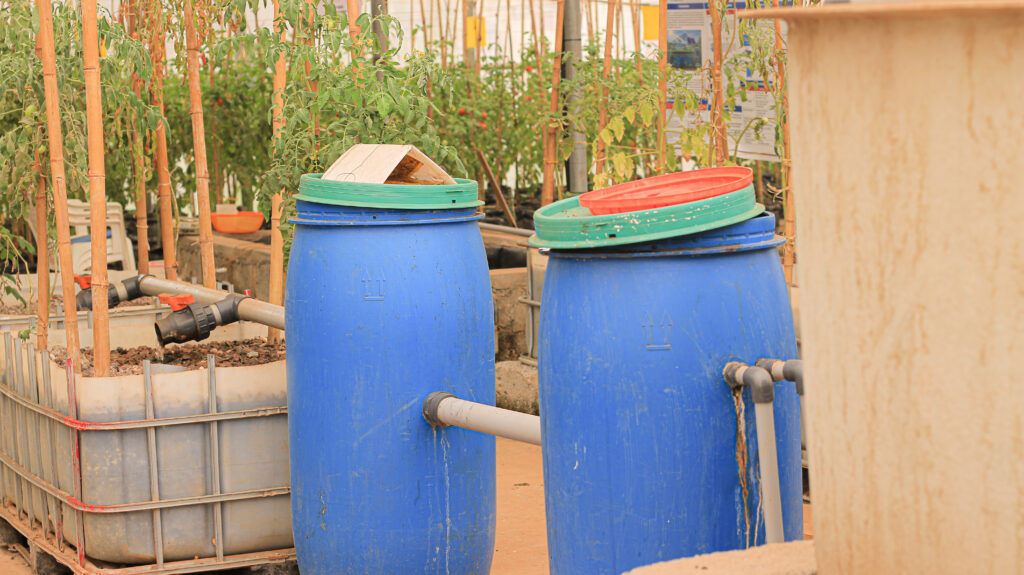
However, within the living lab at the Aquaculture Research and Development Centre (ARDC), a sub-station of the National Fisheries Resources Research Institute (NaFIRRI) at NARO, located in Kajjansi, Uganda, researchers have developed a farming method using aquaponics, an innovative way of integrating fish and crop production using recycled water and nutrients.
“Through aquaponics, we provide a solution to the problems faced by farmers due to land, water and climate constraints,” says Dr. Cassius Aruho a Principal Research Scientist at ARDC. “With aquaponics, farmers will be able to develop resilient agricultural systems.”
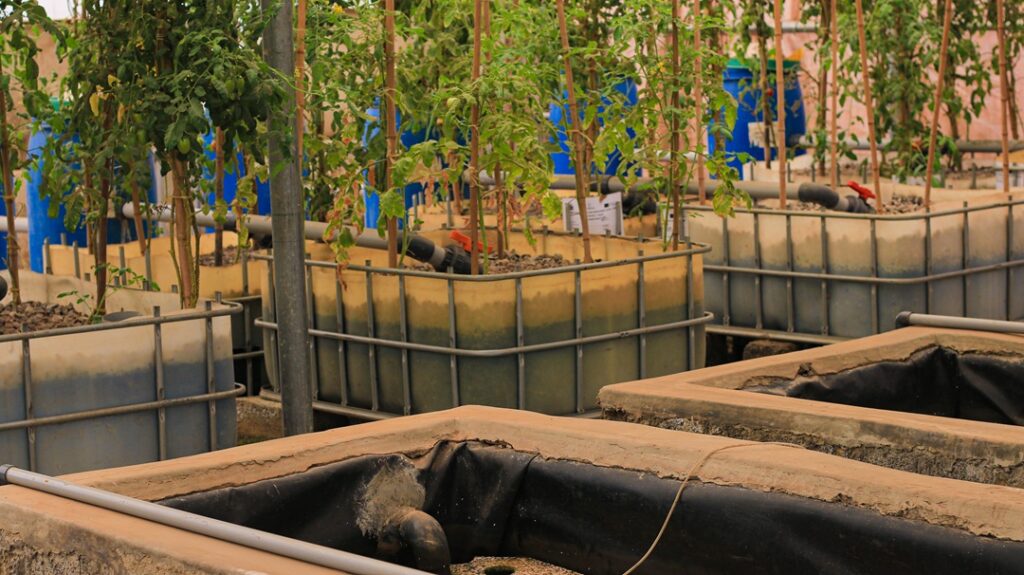
Farming with no soil, with limited space, and with no waste is the answer to a sustainable future.
Dr. Barry Kamira, a fish production systems and designs management scientist, has spent the last couple of years leading the ARDC’s aquaponics project, proving that integration of fish and crops is the key to this sustainable future.
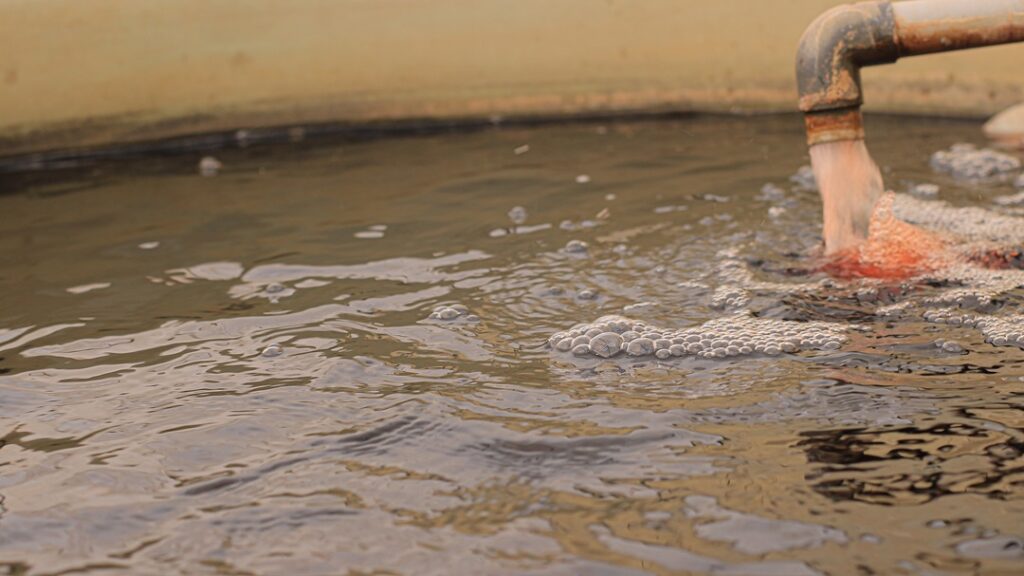
“Aquaponics is the growing of fish and the cultivation of crops in one integrated system. The wastes from fish become nutrients for plants, and as the plants absorb the nutrients this cleans the water for the fish. It’s a circulatory cycle of life and productivity,” explains Dr. Kamira.
Innovations by Three Technologies
At the Aquaculture Research and Development Centre (ARDC), the following three technologies are actively being researched:
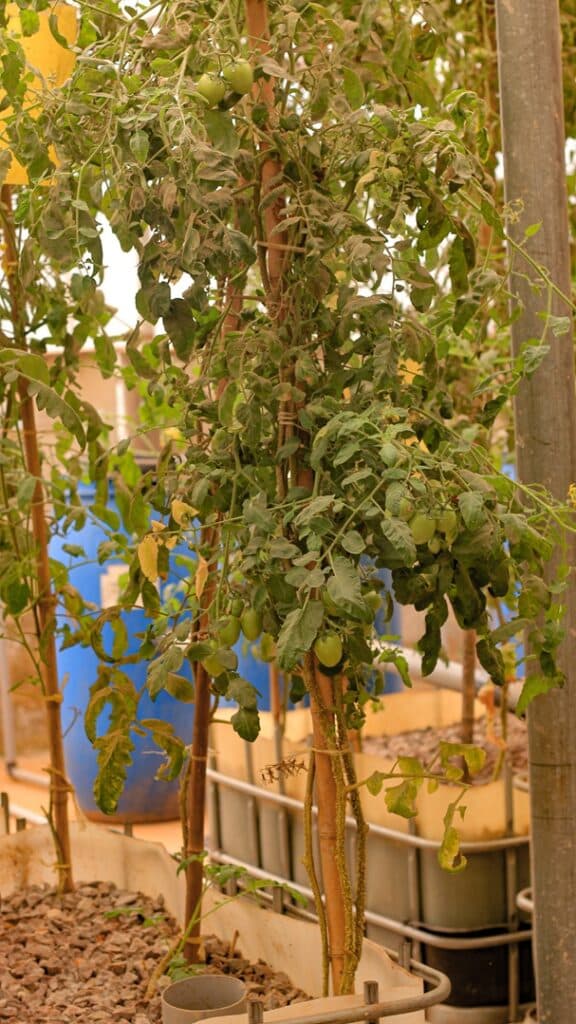
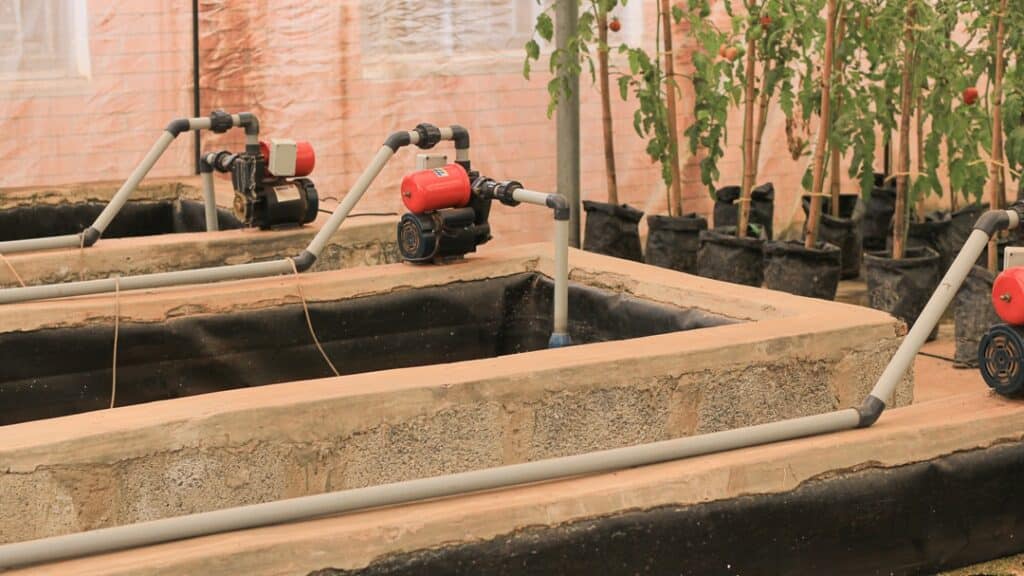
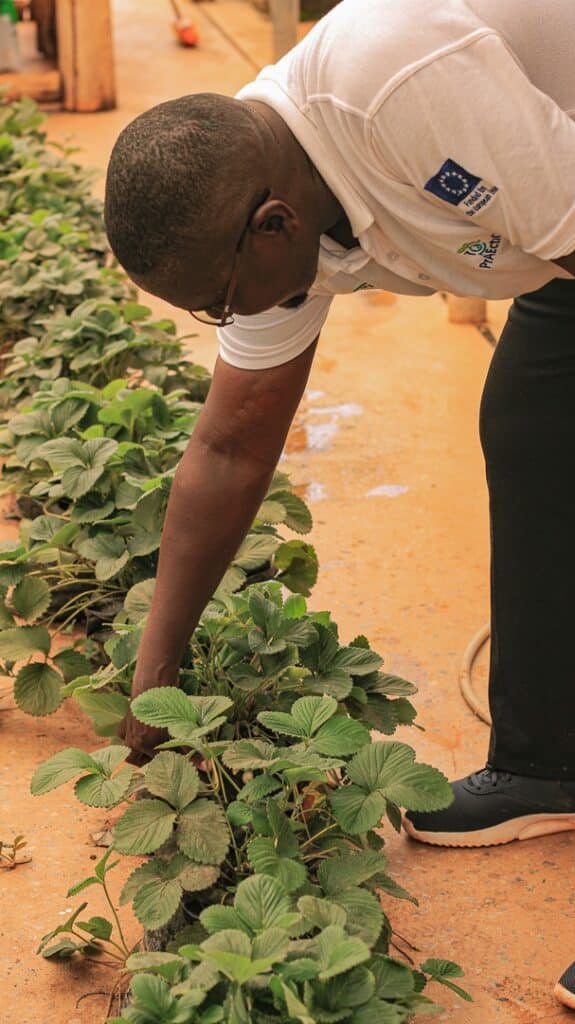
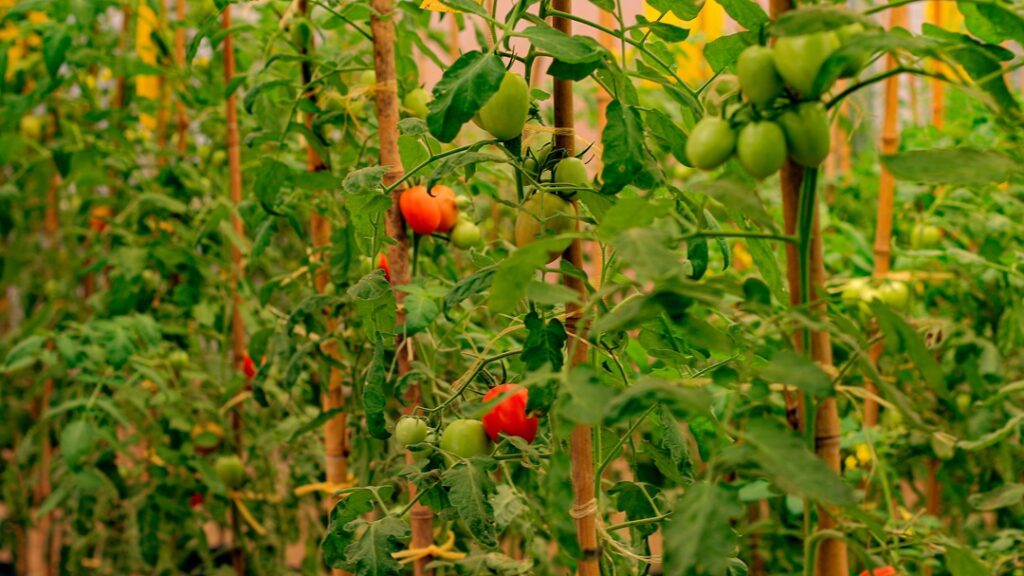
• The Media Bed System – Plants like tomatoes, strawberries, and peppers are grown in gravel beds; microorganisms decompose fish waste to generate liquid nutrients consumed by the plants.
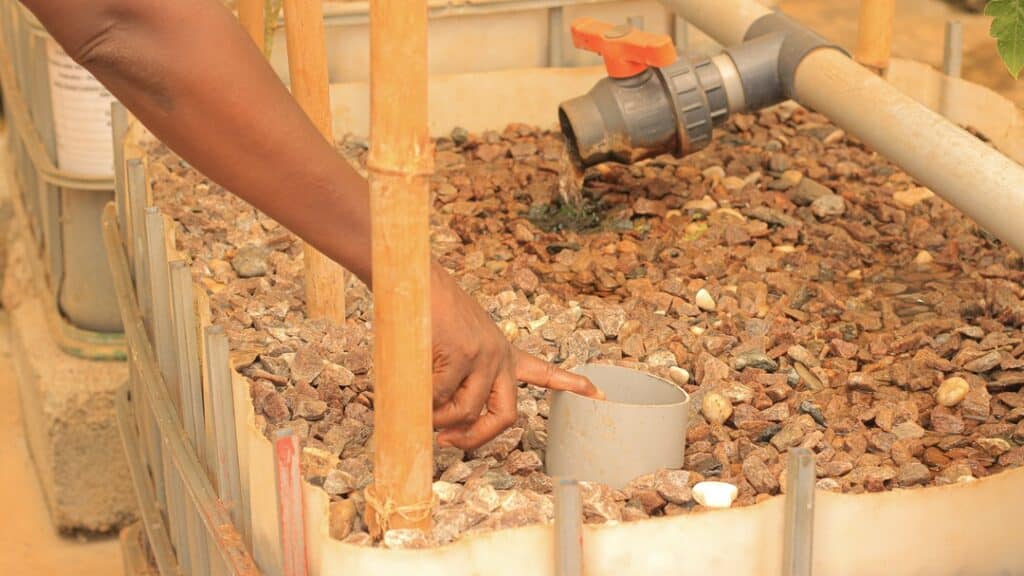
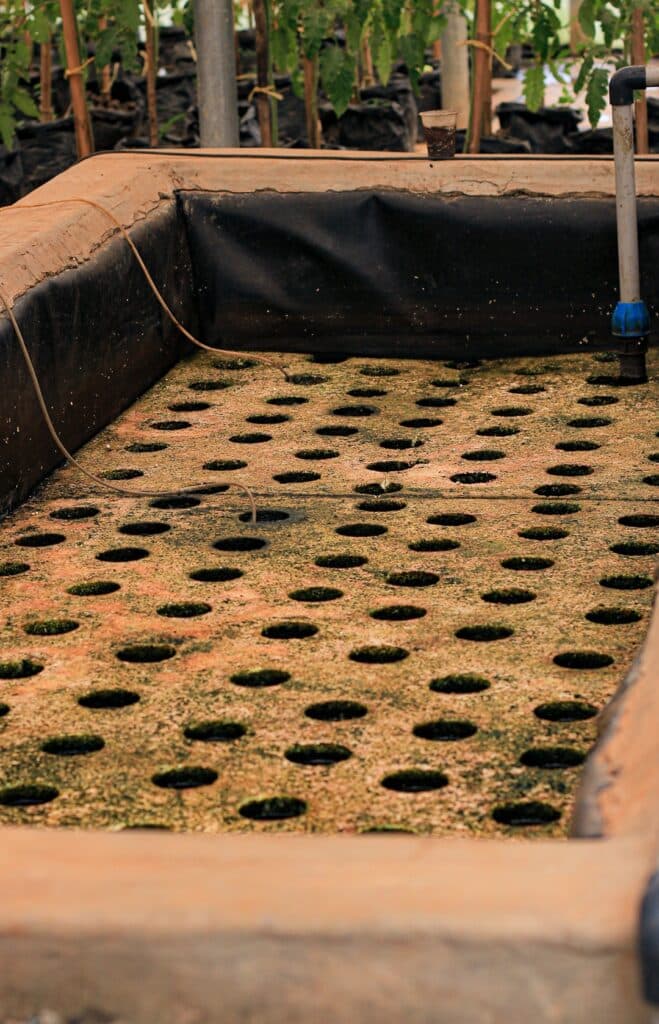
• The Deep Water Culture System – The plants grow floating on the water surface, consuming any remaining nutrients and filtering water before recycling it into the fish tanks; the system has yielded high results with lettuce, producing 10.62kg per month.
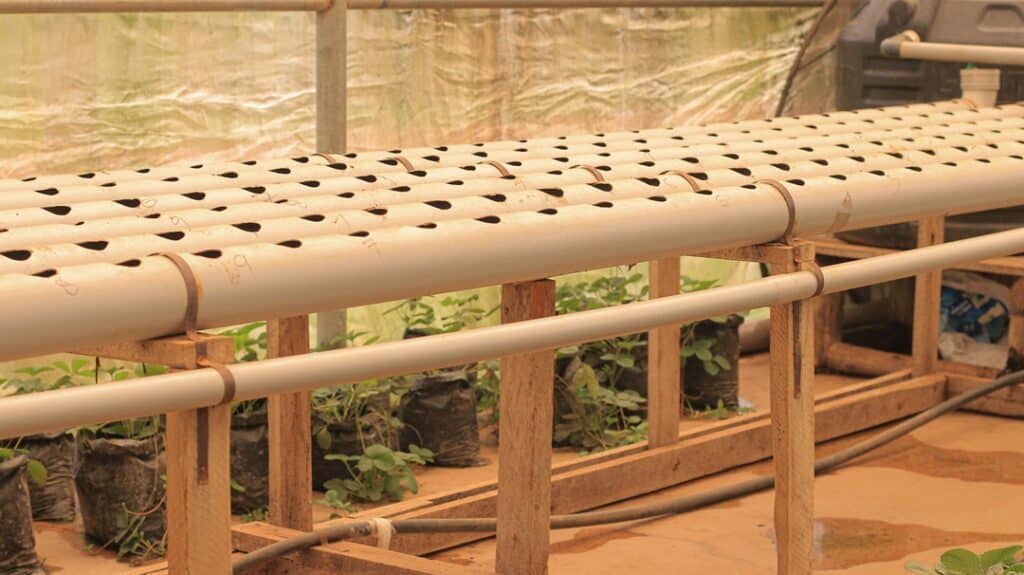
• The Nutrient Film Technique – The plants grow in pipes where nutrient-filled water flows through and around the roots of leafy crops.
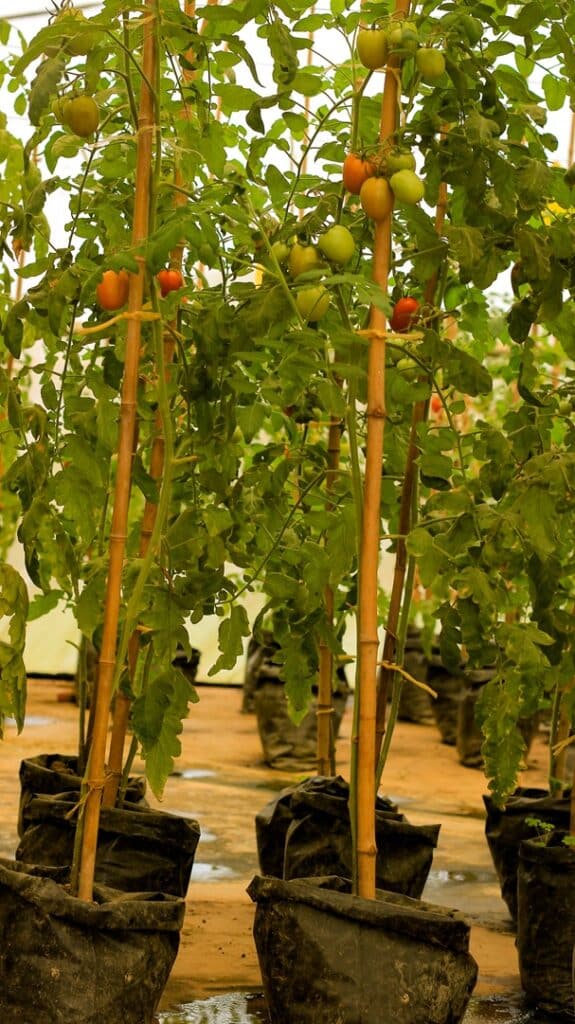
According to Dr. Kamira, even potted plants have been included to maximize the effluent usage in the system; i.e. they are fertilized using sludge from fish and sedimentation tanks.
Tilapia vs. Catfish – Who Produces More Nutrients?
Two main types of fish have been tested at the centre – The African catfish (Clarias gariepinus) and Nile tilapia (Oreochromis niloticus).
“Considering the effluent dynamics, tilapia is yielding better results compared to catfish. Their waste contains more nutrients for the plants,” observes Dr. Kamira.
This finding is crucial for smallholder farmers, who need reliable nutrient sources for backyard systems.
Decision Support Tool: Smart Farming in Real-Time
Among other innovative technologies, a decision support tool, developed by the team of PrAEctiCe (Potentials of Agroecological Practices in East Africa with a focus on Circular water-energy-nutrient systems) project is very impressive.
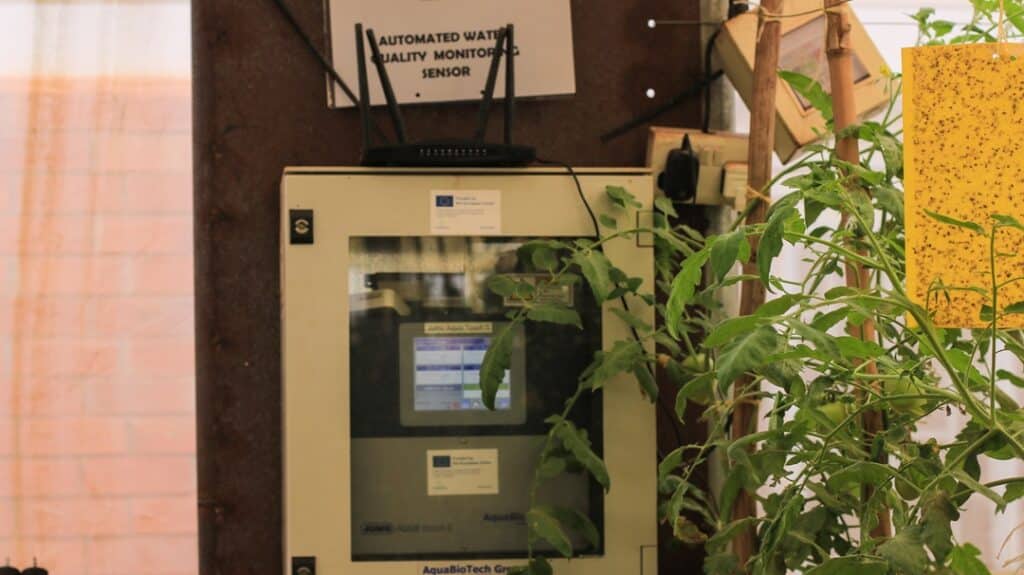
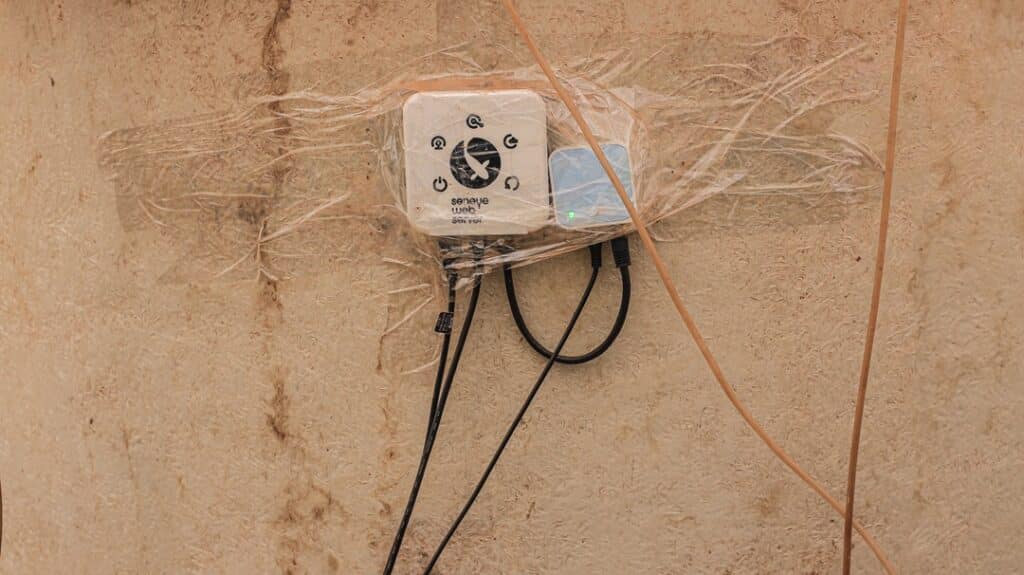
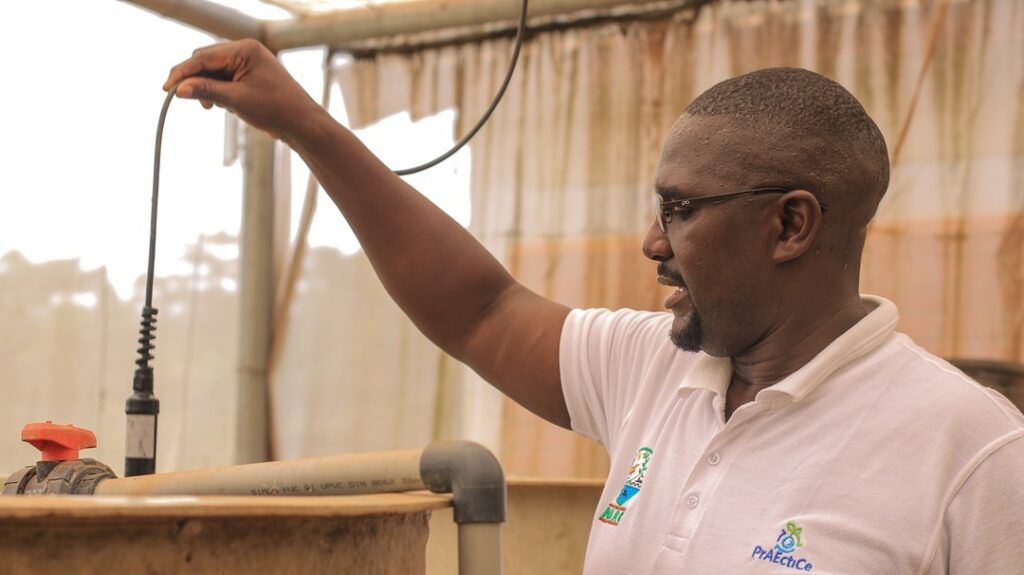
“…we put gadgets – dissolved oxygen, pH, temperature, and ammonium meters among others to capture and feed information into our system. The farmer monitors the water quality from his/her phone and receives advice along with alert notifications,” Dr. Kamira says.
Speaking about further plans, Dr. Aruho shares a bigger picture:
“We need to go back to the farmers with the project. This project should be made sustainable through its implementation at micro scale so that individual agro-ecological zones adopt this innovation with minimal input.”
Economic Value of Aquaponics: Profit on Minimal Surface Area
Aquaponics turns out to be not only sustainable, but also a profitable business according to the results of ARDC’s research:
Outlining a smallholder farmer business setup
• Starting capital: UGX 9 million
• The net income in Year 1: UGX 5,043,824
• The net income in Year 2: UGX 7,107,279
• The net income in Year 3: UGX 9,686,599
Tomatoes produced between 3.5–4.5 kilograms per plant, while lettuce had a 28-day harvesting cycle.
“It breaks even quite fast on a microscale. You can make money on aquaponics even in the city, having minimal land area and amount of water,” Dr. Kamira states.
Biosecurity and Organic Methods
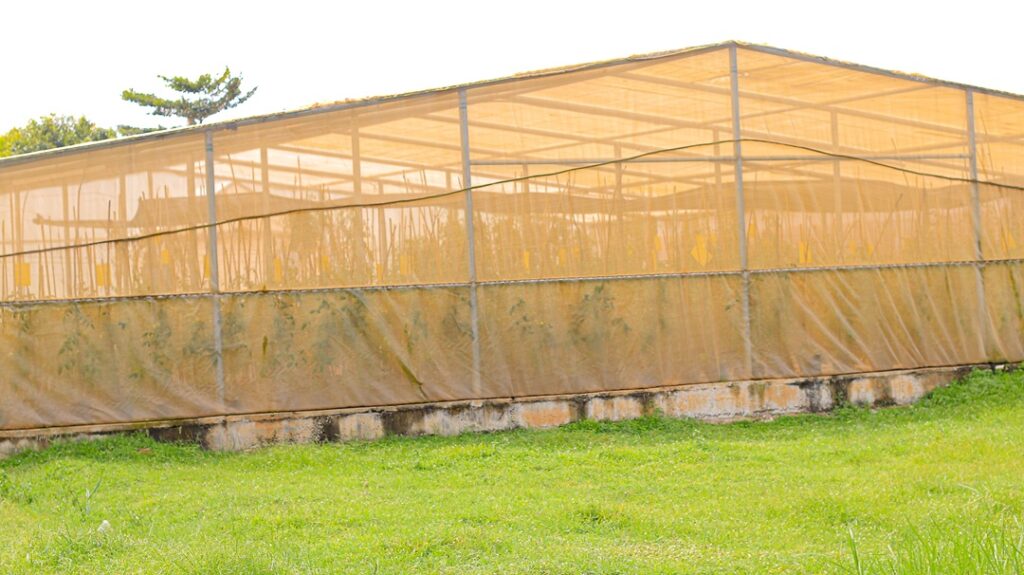
Utilizing greenhouses, ARDC has established tight biosecurity. Sticky traps capture any escaping insects, while all visitors have to sanitise themselves before entering.
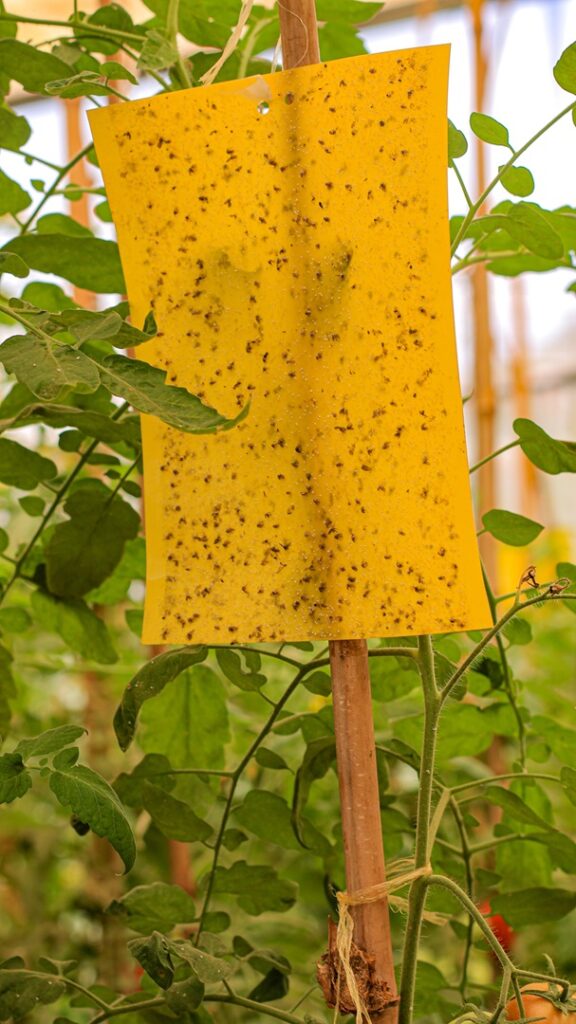
“We had an open day when stakeholders unwittingly came with pests. The entire system failed due to heavy infestations. That is why we cannot negotiate on biosecurity,” Dr. Kamira remembers.
When dealing with pests, ARDC opts for organic pesticides, such as neem oil, garlic, chili, onions, tangerine, and cow milk, which guarantees the safety of both crops and reused water for fish.
Future Plans
While the four-year project concluded on Thursday, 30th April 2026, NARO has decided to prolong its aquaponics research for another 5-7 years by conducting studies alongside farmers that will adopt and implement the technologies within their farms and maintain the demo at the living lab.
According to Dr. Aruho, the main aim is stated clearly:
“Aquaponics is not just research; it’s a lifeline for farmers lacking land, water, and facing climate change.”
Conclusion
The ARDC aquaponics project is a blueprint for Uganda’s agricultural future, a system of fish and crops that can coexist, a place where tech watches farmers in real time, and a place where sustainability equals profitability. As Dr. Kamira and Dr. Aruho remind us, this is not science in a lab, but innovation that can change people’s livelihoods in villages, towns, and cities across the country.
