


The Rise of Wellness Through Agriculture
Agriculture remains the backbone of Uganda’s national development, employing over 70 percent of the population, most of whom reside in rural areas. The Government’s long‑term development strategy, guided by Vision 2040 and the upcoming Fourth National Development Plan (NDP IV), prioritises inclusive rural transformation, sustainable industrialisation, and agricultural productivity.
Agriculture, the backbone of human civilisation, provides sustenance and well‑being. Beyond feeding the world, it profoundly impacts our health. This article explores the multifaceted connection between agriculture and wellness, showing how agricultural practices and innovations contribute to healthier lifestyles and stronger economies.
Nourishing Our Bodies: Nutrition and Food Security
Agriculture ensures a diverse and nutritious food supply, essential for optimal health. Fruits, vegetables, grains, legumes, mushrooms, honey, and tea provide vital vitamins, minerals, antioxidants, and fibre.
Balancing healthy eating with rising food costs is a challenge. With roughly 10% of the typical Ugandan paycheck spent on food, many assume eating healthy is expensive. Yet the long‑term costs of unhealthy eating—chronic disease, reduced productivity, and medical bills—are far greater. Agriculture‑based wellness products offer a pathway to affordable, preventive health.
Global Wellness Trends
In recent years, agriculture has been reimagined—not just as a source of food, but as a foundation for wellness. Across the world, farmers and entrepreneurs are transforming natural ingredients into health‑focused products that appeal to consumers seeking vitality, longevity, and sustainability.
- Mushroom coffees in California
- Kombucha breweries in Berlin
- Adaptogenic teas in Asia
Together, these innovations have created a global wellness drink market valued at billions of dollars, expanding rapidly as consumers demand functional beverages that go beyond basic nutrition.

Uganda’s Innovation: Kituzi Farm Company
In Bushenyi District, Kituzi Farm Company has pioneered a unique beverage made from mushrooms, honey, and tea. Marketed as a health drink, Kituzi’s product taps into the antioxidant and immune‑boosting properties of its ingredients.
- Mushrooms: celebrated worldwide for adaptogenic qualities.
- Honey: revered as a natural healer.
- Tea: one of the most widely consumed wellness beverages.
Together, they form a distinctly Ugandan blend that connects local agriculture to global wellness trends.
While Kituzi’s mushroom‑honey‑tea drink is not strictly probiotic unless fermented, it fits firmly into the category of functional beverages—drinks designed to deliver health benefits beyond basic nutrition. This positions Kituzi alongside international innovators like Four Sigmatic (mushroom coffee blends), MUD\WTR (adaptogenic teas), and kombucha makers who have turned fermented tea into a mainstream wellness staple.
Agriculture as Empowerment
Beyond health, the story of Kituzi is about agriculture as a ticket to economic empowerment. By sourcing mushrooms, honey, and tea locally, the company creates demand for smallholder farmers and strengthens rural economies. In a country where agriculture employs the majority, turning farm produce into wellness products is more than innovation—it is a pathway to prosperity.
Tackling Post‑Harvest Losses
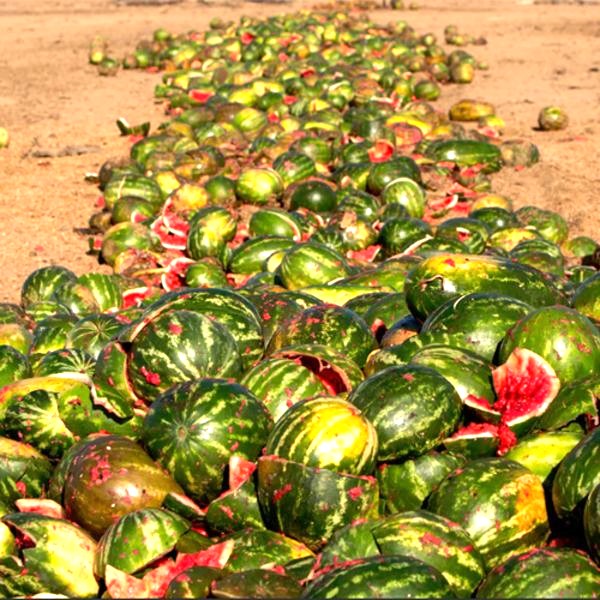
Across Africa and beyond, farmers are finding new ways to turn perishable crops into long‑lasting, value‑added products:
- Mangoes → juices
- Hibiscus flowers → teas
- Ginger → tonics
- Cereals → fortified drinks
This innovation is not only about health—it is about economics. By processing crops into wellness beverages, companies help cut down on post‑harvest losses, a major challenge in agriculture where up to 40% of produce can go to waste before reaching consumers.
- Mushrooms: highly perishable, with a shelf life of 1–3 days without refrigeration. Losses can reach 25–30% in tropical climates if not dried or processed quickly.
- Tea: quality declines rapidly if leaves are not processed within hours of harvest. Turning tea into bottled drinks or kombucha preserves value.
- Honey: relatively stable, but risks fermentation or adulteration. Using honey in beverages stabilises demand and reduces spoilage.
By transforming fresh harvests into bottled drinks, companies like Kituzi extend shelf life, create new markets, and ensure farmers earn more from their produce.
Wellness as a Lifestyle
Globally, wealthy consumers are increasingly drawn to wellness drinks as symbols of conscious living. They want products that are natural, sustainable, and premium. Kituzi’s drink, though rooted in Ugandan soil, speaks to this aspiration. It shows that wellness agriculture is not confined to Silicon Valley or Tokyo—it is alive in East Africa, too.

Uganda’s Opportunity
As the wellness market continues to grow, Uganda’s innovators like Kituzi have the opportunity to position themselves as leaders in African wellness agriculture. Their story is not just about a drink—it is about redefining agriculture as a source of health, wealth, and global relevance.
By sourcing mushrooms, honey, and tea locally, Kituzi strengthens rural economies and empowers smallholder farmers. By reducing post‑harvest losses, they help ensure that agriculture is not just about survival, but about thriving in a global wellness economy.
