
Uganda’s dream of producing 1,000,000 tons of fish by 2030 hinges on one critical foundation: quality seed. Without reliable fingerlings, ponds remain empty, farmers lose money, and the nation’s food security and export ambitions falter.
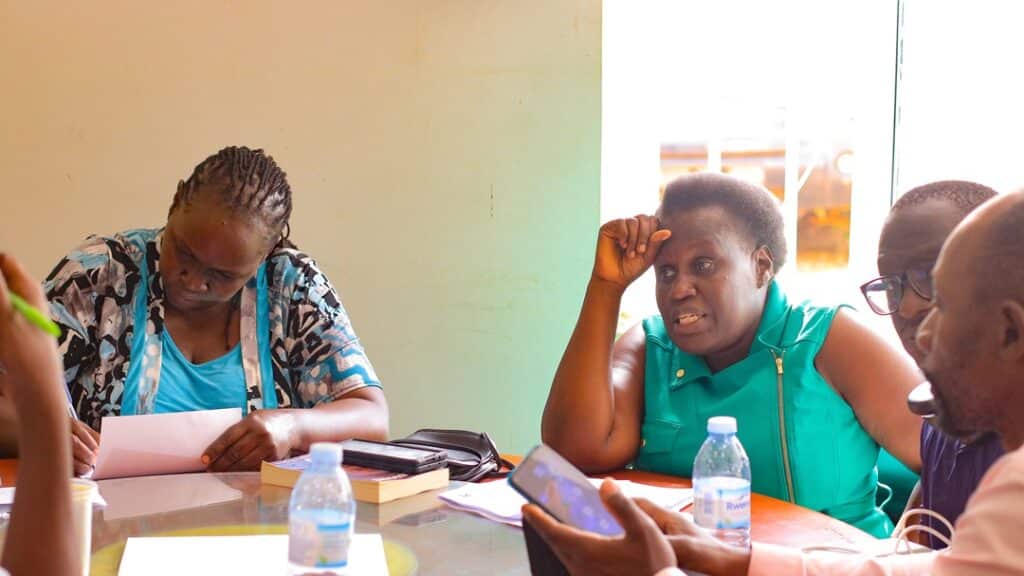
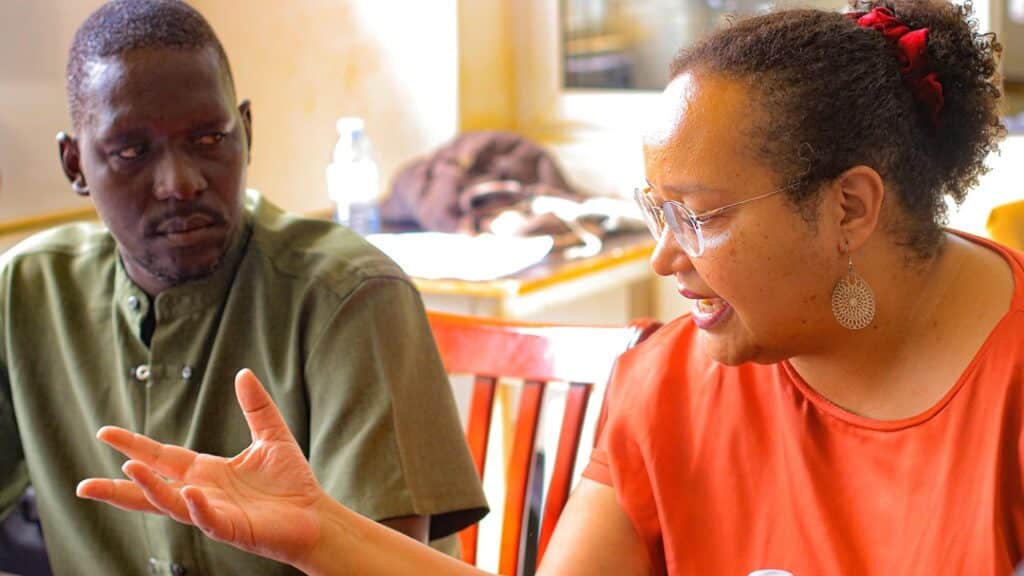
At the Aquaculture Research and Development Centre (ARDC) Kajjansi, scientists are spearheading a selective breeding program to deliver improved strains of Nile tilapia and African catfish — fish that grow faster, resist disease, and withstand climate stress. But as the recent stakeholder meeting held at ARDC in Kajjansi on Thursday, 28th May, 2026 revealed that success means more than just solid science; it’s about addressing what farmers need day-by-day.
The Seed Deficit: A National Bottleneck
Right now, Uganda pumps out 161,201.7 tons of fish each year, worth $435.68 million. However, to hit their marks, they’ve got to fill an 838,798-ton shortfall. Achieving this would require 2.2 billion fingerlings yearly, way up from the current production of 200–300 million. Closing that massive gap is key to boosting both local supplies and potential exports.
The Uganda Bureau of Statistics (UBOS) says that out of 93 million fish seeds used, 75.1% were tilapia, 24.2% were catfish, and less than 1% were carp and other types. There are 273 hatcheries around the country, but they face problems like inconsistent production, low seed quality, and high mortality rates – sometimes exceeding 30%.
“High mortality of fingerlings is a major concern. Research must look closely at what conditions are ideal,” stakeholders pointed out.
Selective Breeding: Science Meets Urgency
According to the Aquaculture Research and Development Centre (ARDC), they’ve provided 80 million better fish offspring over the last ten years. Over 50% of their top-quality parent fish come from Kajjansi, and this success is thanks to things like sex reversal technologies in tilapia and spawning innovations in catfish.
Dr. Cassius Aruho a Principal Research Scientist at ARDC explained:
“We want to concentrate on fish attributes that are very key to quality and productivity — resistance to disease, resilience to climate change, and improved growth.”
This initiative from the Fish Genetic Gain program will be Uganda’s strategic alternative to importing seed securing control over the aquaculture future.
Biosecurity: Guarding Against Invisible Threats
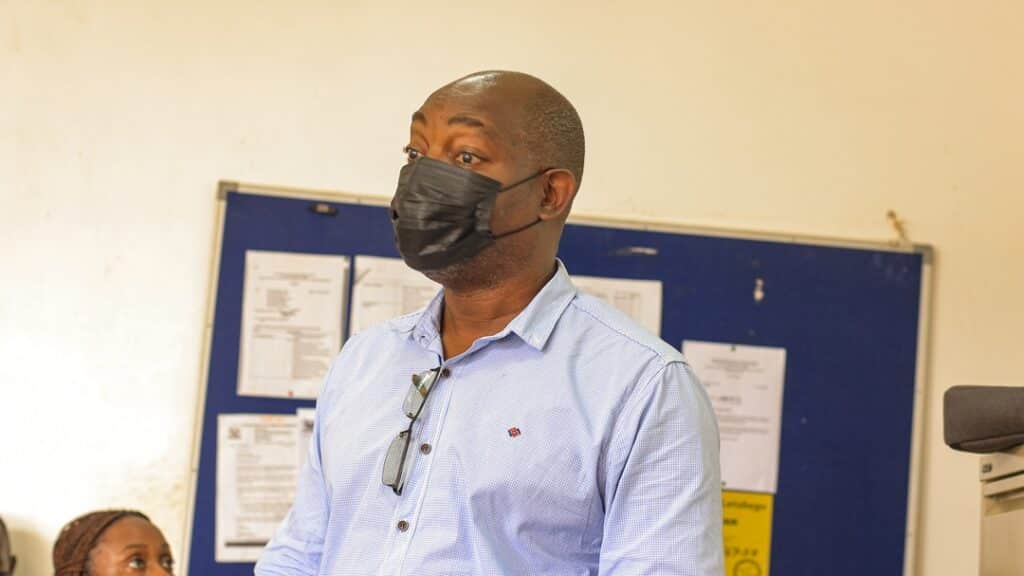
Biosecurity plays a crucial role in seed quality, and Dr. John Walakira, Director of Research at National Agricultural Research Organisation (NARO) pointed out the danger of the Tilapia Lake Virus and other pathogens that have been spotted in Lake Victoria.
He stressed, “If infected seed comes in, you won’t get rid of it, no matter what you do.”
Stakeholders re-echoed the need for dissemination of biosecurity information and certification of hatcheries to protect farmers.
Farmers’ Voices: Challenges on the Ground
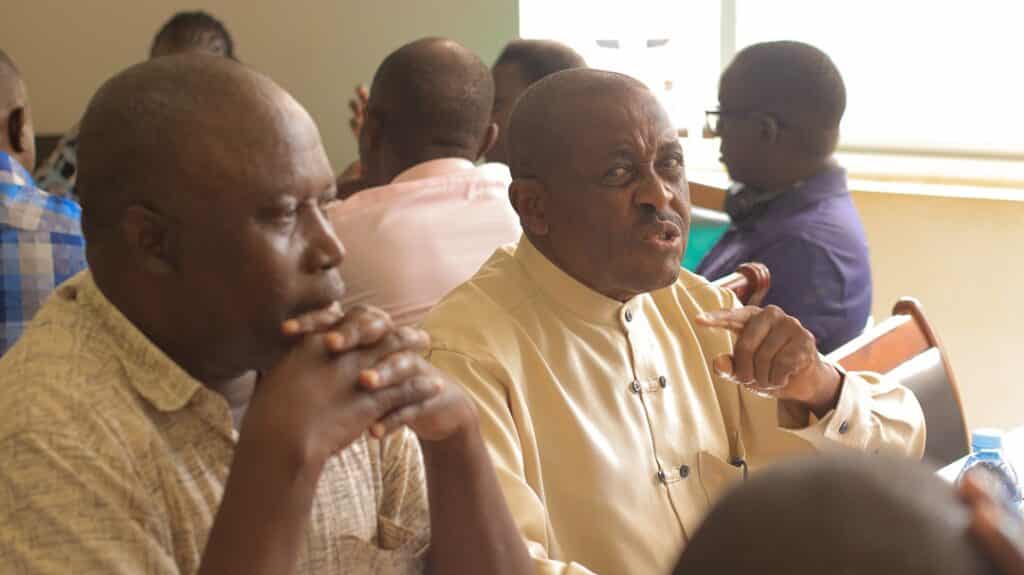
Ruth Ndinawe voiced concerns about water quality. She highlighted the lack of good gear to check site conditions. For Amelia Nimukunda, climate change tops the list. Extreme heat and flooding are huge risks to their operations.
She also pointed out that starting up hatcheries and finding broodstock is super expensive an above all, the need to bridge the knowledge gap by availing practical research summaries and not just complex studies—so everyday farmers can apply the info easily.
Deusdediti Tumusiime one of the stakeholders, also mentioned that there’s a problem with follow-through – the impact needs to be noticeable in communities, not only discussed in workshops.
The Way Forward: Training, Certification, and Model Farms
Moving forward, stakeholders called for;
- Certification of hatcheries and broodstock suppliers to ensure quality.
- More training for farmers and extension officers, tailored to different education levels.
- Model farms closer to regions, reducing reliance on Kajjansi alone.
- ICT platforms and online workshops for regular dissemination of updates on genetics and biosecurity.
- Networking among hatchery owners to ensure uniform quality and traceability of fingerlings
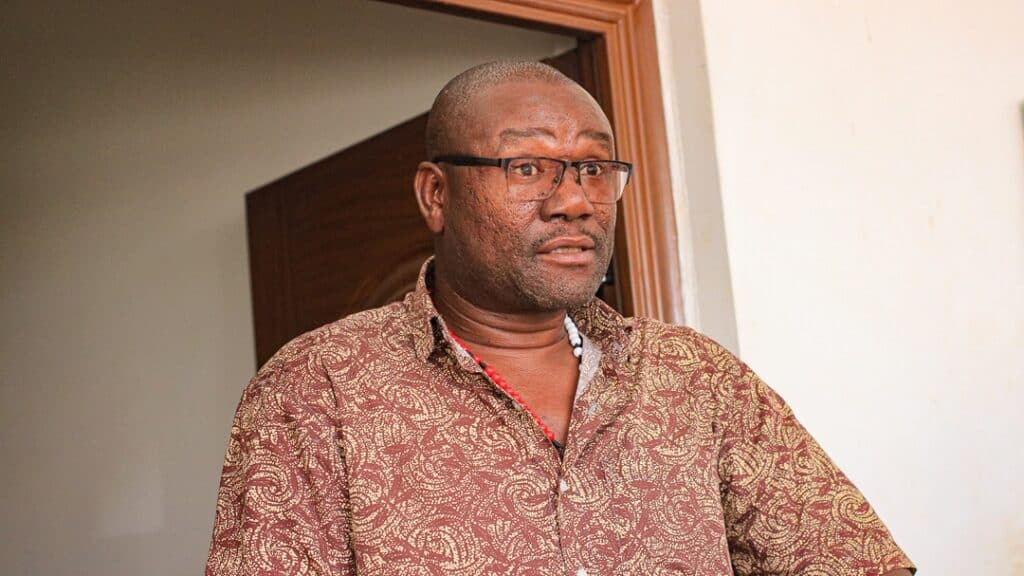
Following this, Dr. Papius Tibihika announced:
“Early June, we are calling extension workers from 8th–13th all week to train all the extension service workers in the country.”
This big commitment shows a real effort to improve farmer and officer skills. It promises a change that will turn breeding advances into actual productivity benefits.
Beyond Tilapia and Catfish: Diversifying Uganda’s Plate
While tilapia and catfish dominate, ARDC is also working on raising Barbus altianalis (Kisinja), Labeo victorianus (Ningu), and high-value species like Nile perch and lungfish.
This diversification helps Uganda spread its risks and open up new market opportunities, making sure the country doesn’t rely too much on just a couple of fish types.
Breeding as the Backbone of Aquaculture
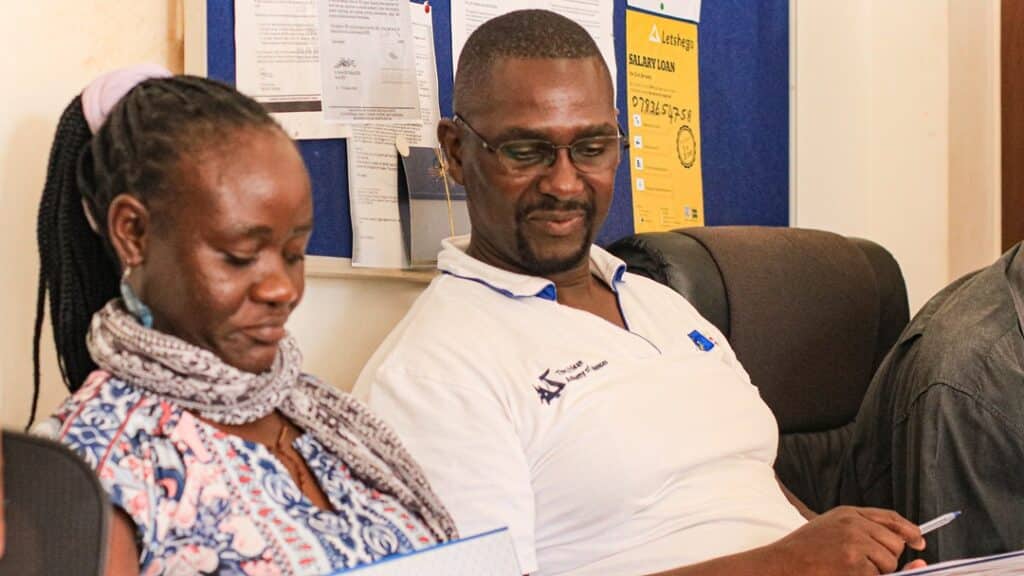
Uganda’s future in aquaculture relies on breeding resilience into its fish seed. ARDC’s selective breeding, along with farmer training, hatchery certification, and biosecurity measures, isn’t just scientific; it’s a vital national effort.
Listening to farmers and stakeholders is blending science with real-world farming situations. This results in not only an increase in fish but also a stronger, more sustainable aquaculture sector that feeds the country and boosts economic growth.
