
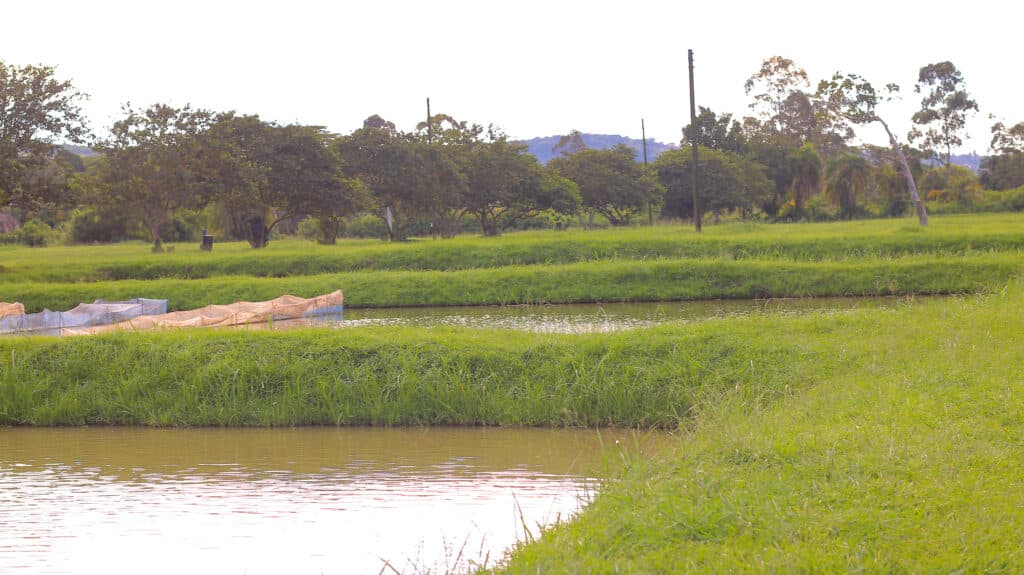
At the heart of Uganda’s aquaculture revolution lies the Aquaculture Research and Development Centre (ARDC), led by Dr. Papius Dias M. Tibihika. From its humble beginnings in the 1940s as a fish fry station, ARDC has evolved into a Centre of Excellence in Aquaculture Research Technology, driving innovation, farmer empowerment, and national food security.
Policy and Regulation (Bureaucracy vs. the Fish Farmer)
Uganda’s aquaculture industry is governed by a robust framework: the Fisheries and Aquaculture Act (2022), the National Fisheries and Aquaculture Policy (2017), and the Aquaculture and Fish Regulations (2023). These policies provide structure, but they also present challenges.
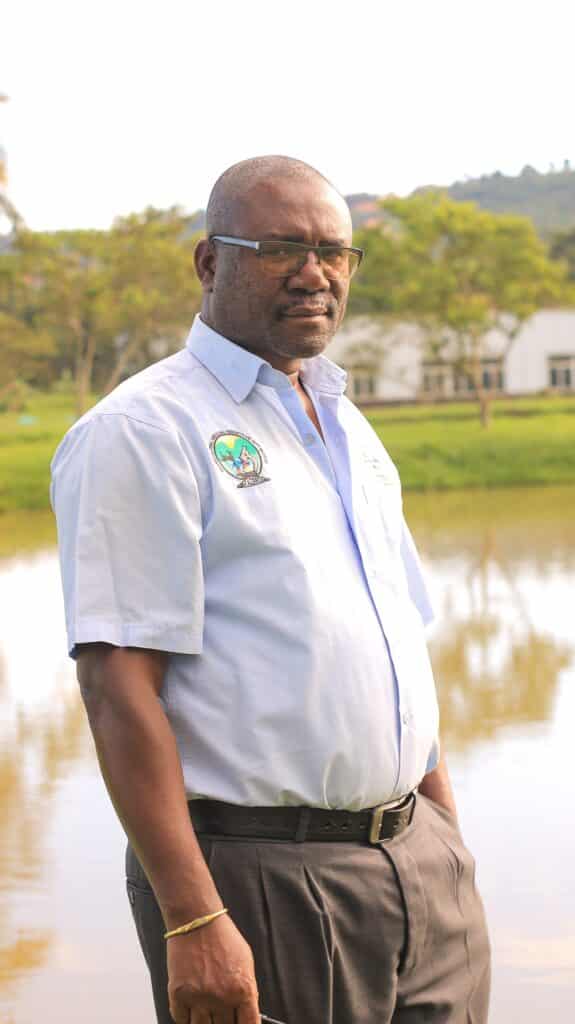
Dr. Tibihika explains:
“There is no one-stop centre where a farmer can go and get all the required documentation. You may be licensed by the Ministry of Agriculture, Animal Industry and Fisheries, but then NEMA requires an environmental impact assessment, and the Ministry of Works may also intervene for navigation concerns.”
This fragmented regulatory environment complicates investment for smallholder farmers. Yet, ARDC plays a crucial role by feeding scientific research into policy, ensuring that regulations evolve to support farmer needs. Regional integration is also underway, with Uganda aligning its cage fish farming guidelines to the Lake Victoria Fisheries Organization, harmonizing aquaculture practices across East Africa.
Innovations and Research (Breakthroughs in the Pond)
ARDC is more than a research hub—it is a training and knowledge dissemination centre. Farmers receive fish seed, feed, and hands-on training, while ARDC gathers feedback to tailor research to real-world challenges.
Recent innovations include:
- Selective breeding of Nile Tilapia (now at F3 generation), achieving growth rates of 2.5 grams per day.
- Climate-smart aquaponics systems, where fish waste fertilizes vegetables, creating a circular, solar-powered economy.
- Integrated rice-fish farming, maximizing land and water use efficiency.
- Value addition technologies, such as state-of-the-art fish smoking kilns free from carcinogenic risks, Omega-3 fish oil extraction, vacuum-packed fillets, and fish sausages.
Value Addition (Turning Fish into Wealth)
Value addition is one of ARDC’s most transformative contributions. Farmers are no longer limited to selling raw fish; they can now diversify into higher-value products.
Key initiatives include:
- Fish smoking kilns: ARDC developed modern kilns that eliminate carcinogenic risks found in traditional smoking methods, producing safe, export-ready smoked fish.
- Omega-3 fish oil extraction: Using Nile perch, ARDC enables farmers to tap into the lucrative nutraceutical market.
- Fish maw production: Nile perch farming allows farmers to harvest fish maws, a high-value delicacy with strong export demand. At ARDC, breeding of Nile perch is still ongoing, with researchers working to adapt the species to farming conditions. Dr. Tibihika noted that once a breakthrough is achieved in controlled breeding, fish farmers will be able to rear Nile perch in captivity and reliably produce fish maw from their own ponds. This would transform the economics of aquaculture, giving farmers access to one of the most lucrative fish by-products in global markets, while reducing dependence on wild-caught Nile perch from Lake Victoria.
- Filleting and vacuum packaging: Extends shelf life and opens access to premium markets.
- Fish sausages and other processed products: Adopted by farmer cooperatives like the Uganda Fish Farmers Association, creating new income streams.
These technologies empower farmers to capture more value from their harvests, boosting incomes and strengthening Uganda’s position in regional and international markets.
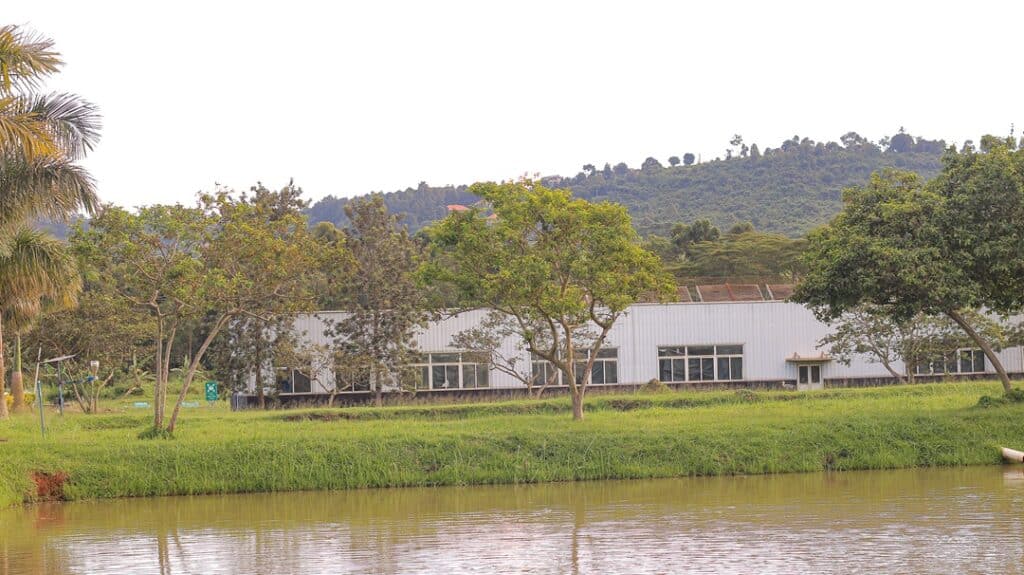
The Upcoming June, 2026 Aquaculture Expo
From June 25th–28th, 2026 ARDC will host Uganda’s largest-ever Aquaculture Expo. This four-day event will bring together:
- Farmers and cooperatives from across Uganda.
- Students, researchers, and academia.
- Policymakers, Members of Parliament, and government agencies.
- Regional stakeholders from Kenya, Tanzania, and beyond.
- International partners, including embassies and investors.
The Expo will showcase innovations in fish breeding, feeds, aquaponics, and value addition, while creating networking opportunities for farmers and investors. It is expected to be a turning point for Uganda’s aquaculture sector, amplifying its visibility and connecting local farmers to global markets.
The Next Tide of Aquaculture
The future of aquaculture in Uganda is bright. Current production stands over 200,000 metric tonnes, but with improved breeding, feed technologies, and market access, ARDC projects over 1 million metric tonnes within 10 years.
With the EU market opening and government prioritizing aquaculture for both food security and economic transformation, Uganda is poised to become a regional leader in sustainable fish farming.
