


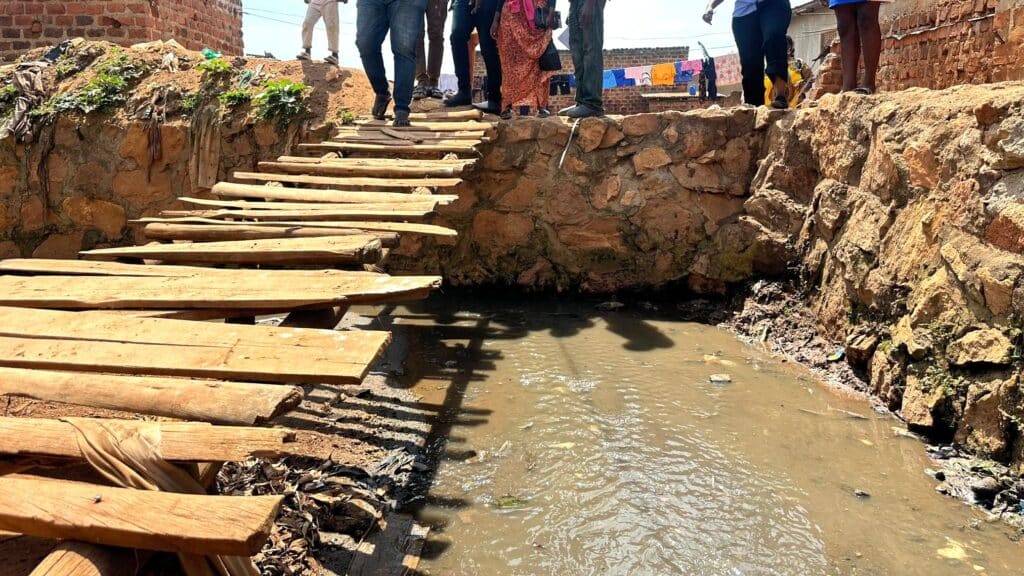
Climate Chaos Doesn’t Care About Your Rent: Kampala Uganda’s capital city is increasingly battered by extreme climate events—floods and heatwaves—this is no secret. Unfortunately, these extreme climate events strike hardest in impoverished ghetto communities. For young people living there, the impacts are devastating: loss of assets, disrupted livelihoods, and limited capacity to adapt. But here’s the twist—these same youth are the ones holding the solutions.
When NAC Said “Enough”
In 2019, the Network for Active Citizens (NAC) a Community-Driven Development organization working with citizens and community-based organizations to amplify their voices to influence policies launched the Ghetto Go Green Project, to empower youth in nine communities—Kinawattaka, Katwe, Kyebando, Kisowera, Kanyanya, Kitintale, Kunnya, Kirombe, and Kamwanyi —got the call. The mission? Create green spaces, reduce flooding, and generate income through urban farming.
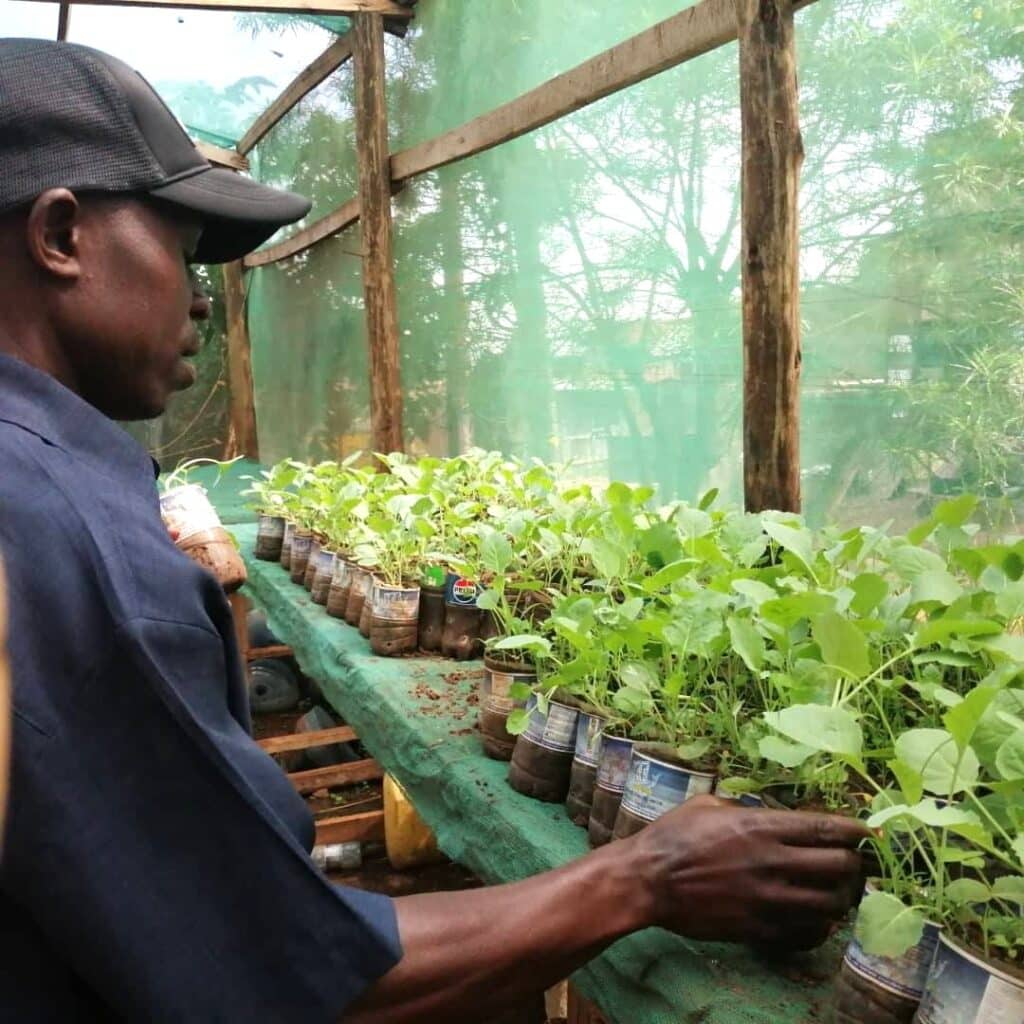
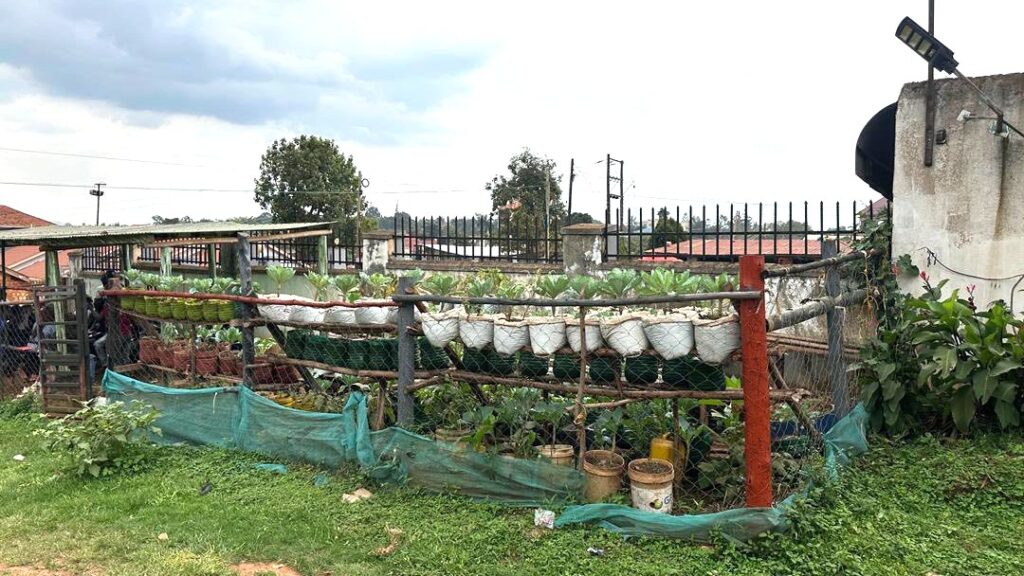
The project promotes climate-smart practices—recycling plastic for planting, organic farming to reduce chemical use, and water harvesting to combat drought.
Youth Left Out, Youth Stepping In
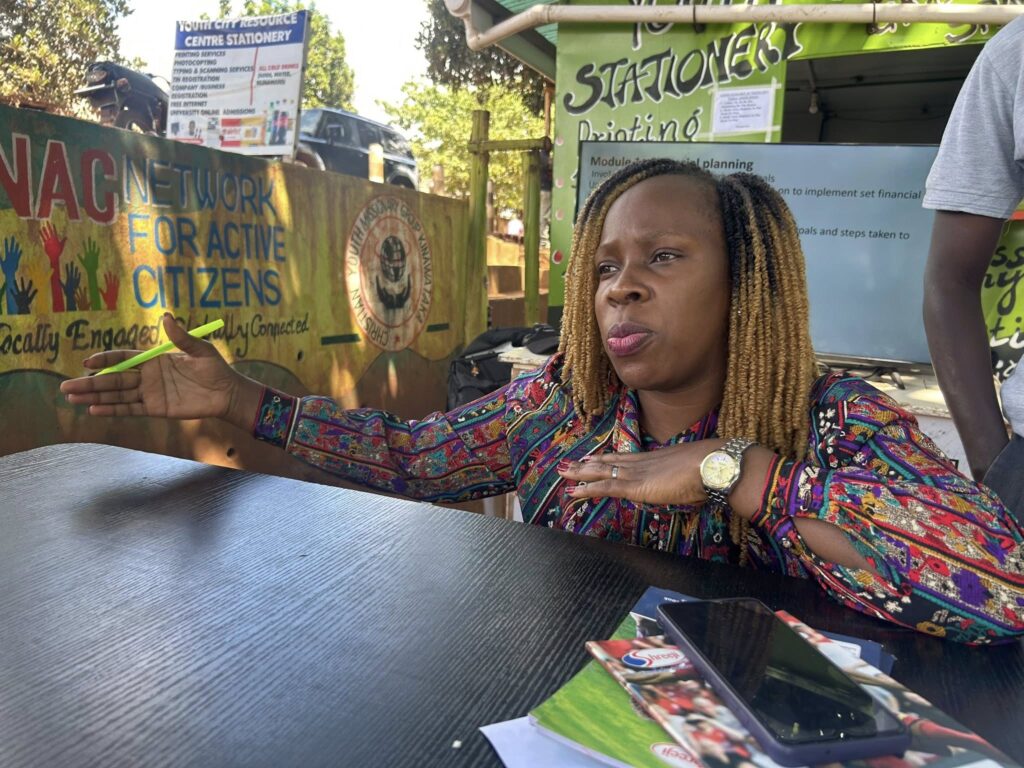
Program Officer Hellen Nakasujja underscores the urgency: “Uganda’s youth are the most affected by climate shocks yet remain underrepresented in climate decision-making. They lack assets and access to financial resources, limiting their capacity to cope and recover.” She stresses the need to involve young people more in climate negotiations and policy formulation.
They’re excluded from the big tables, but they’re the ones living the crisis.
Forget Sprawling Farms, This is Urban Farming
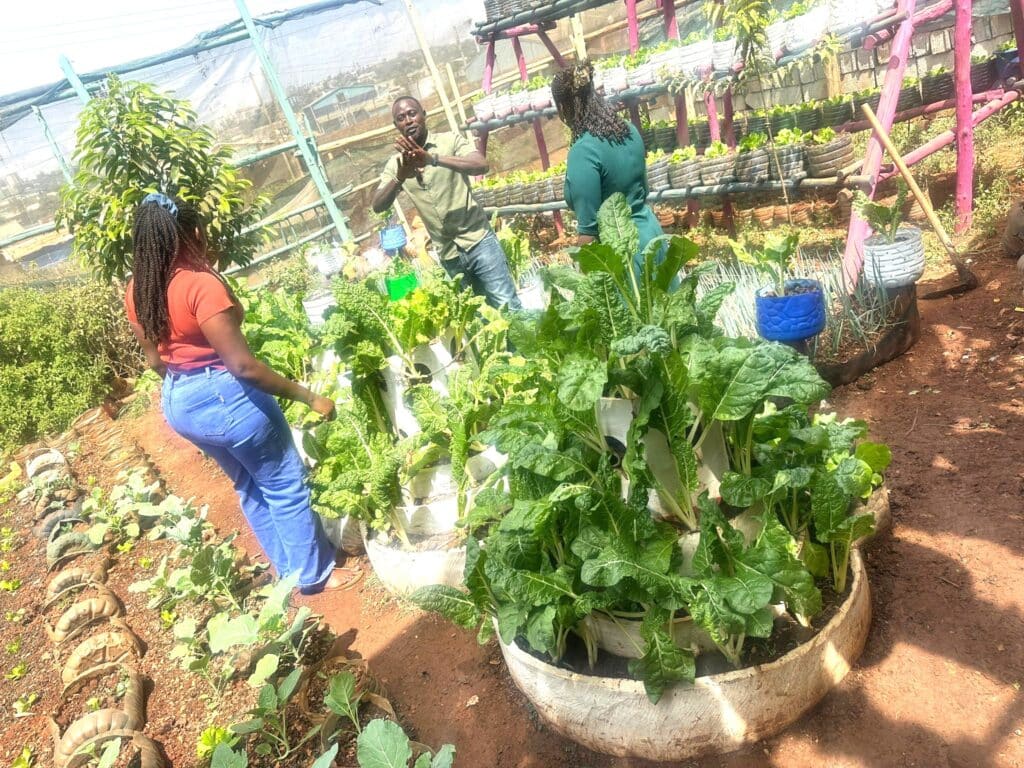
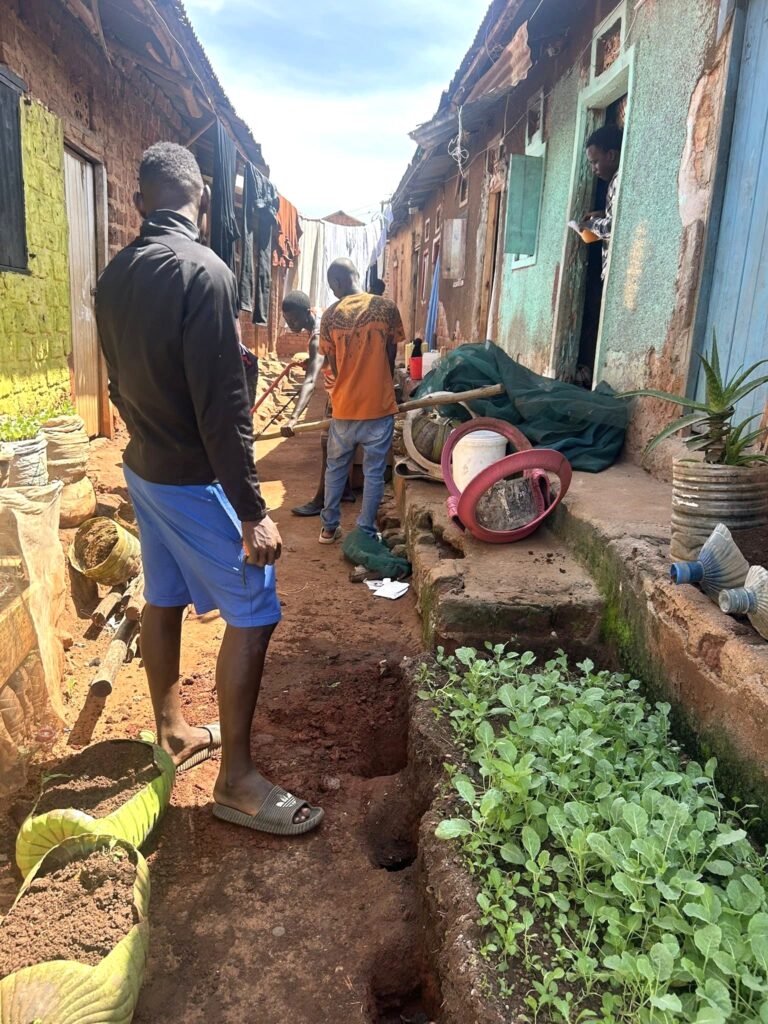
Short-term vegetables—collard greens or kale (sukuma wiki), spinach, Ethiopian eggplant (nakati), cabbage, green pepper, and eggplants—are cultivated in sacks, small plots, and vertical gardens.
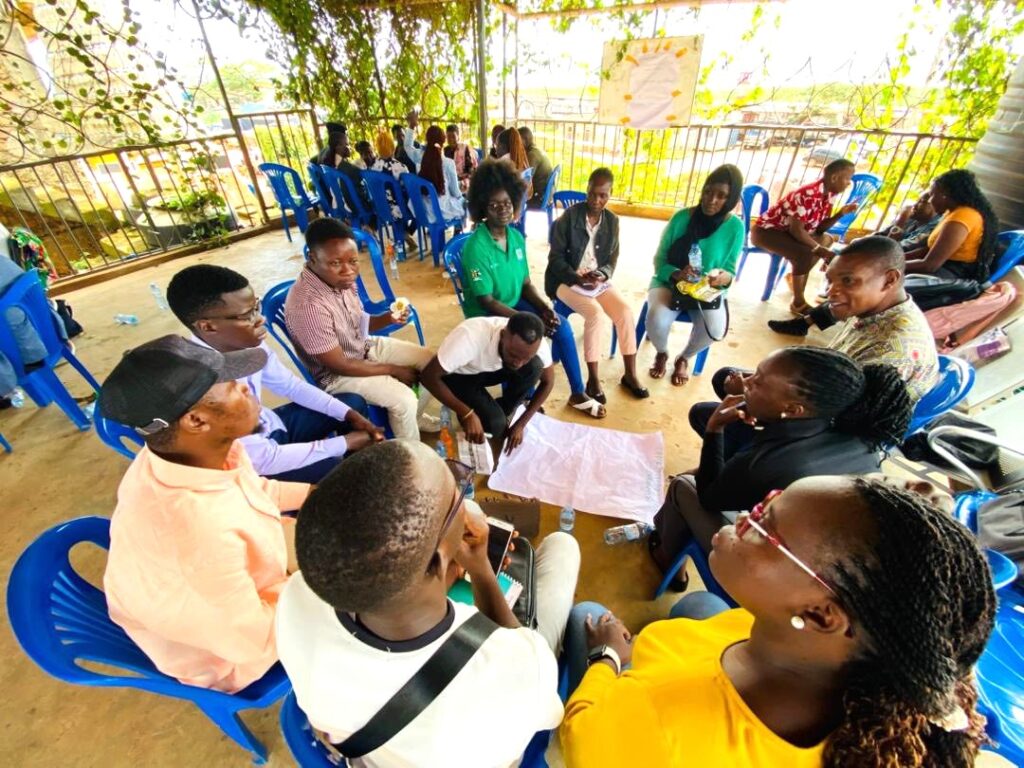
Youth are mobilized through partnerships with grassroots community-based organizations, then trained through boot camps, practical farming sessions, and Y-Labs (seed banks) that provide seedlings, extension services, and demonstration gardens.
Numbers Don’t Lie
The impact is striking. Over 707 young people (448 females and 259 males) have embraced urban farming, establishing 343 home gardens and 50 commercial gardens. Equipped with skills in soil management, water conservation, and resilient seed use, they are not only feeding their families but also selling surplus produce. As a result, 74% of agripreneurs report income increases averaging 40%, strengthening household resilience against climate shocks.
More Than Just Farming and Vegetables
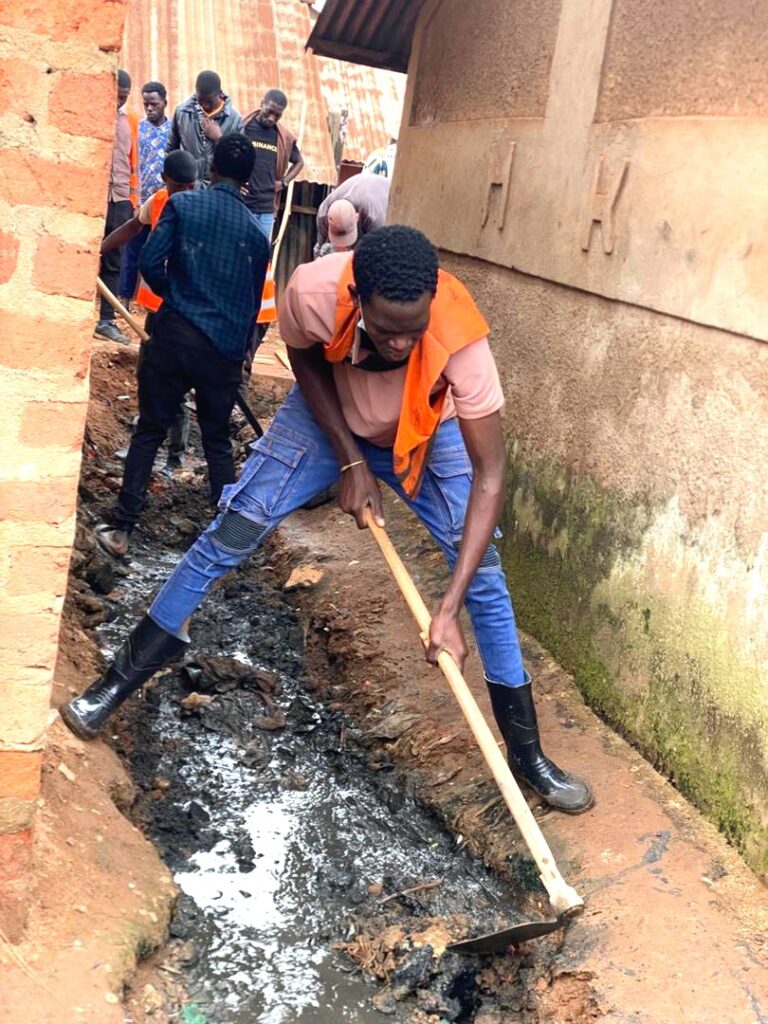
The project fosters community spirit. Youth engage in clean-ups, tree planting, and awareness campaigns. Peer-to-peer learning ensures skills spread organically, inspiring others to join.
Partnerships with local Community-Based Organizations (CBOs)—including Christian Youth Missionary Group Kinawattaka, CivAct Uganda, Sustainable Community Initiative for Empowerment, Afrikovation Hub, Footmarks Initiative Uganda, Ecosmart Innovations Initiative, Holistic Action for Development and Empowerment, and Kawempe Youth Centre—alongside support from Dreamtown and Civil Society in Development (CISU) sustain the initiative and keep the engine running.
Accountability Isn’t Optional
Accountability and sustainability keep the project sharp and are ensured through continuous monitoring, reporting, and evaluation, alongside strong collaboration with partners. Impact is measured through indicators such as income changes, adoption of farming practices, productivity levels, and improvements in household food security. Sustainability is further promoted by building practical skills among youth and establishing Y-Labs that provide continued access to seeds, seedlings, and extension services.
Expansion? Definitely
Expansion plans depend largely on donor funding, which would enable scaling to other parts of Kampala and beyond. Program Officer Nakasujja believes the project could reach even more lives by creating stronger ties with platforms that connect farmers to buyers and investors, value addition and supplying high-demand crops like lettuce and spinach to restaurants and by bulking produce to meet market demand.
Lessons You Can’t Ignore
- > Building youth skills and competencies is crucial.
- > Fostering local partnerships to maximize resources.
- > Enabling young people to actively engage in governance and advocate for supportive policies.
- > Community feedback shapes project activities, ensuring relevance and responsiveness to local needs. By aligning initiatives with the lived experiences of young people, NAC builds ownership and maintains strong engagement with government actors to enhance policy support and sustainability.
Human Stories, Real Impact
The human stories bring the project to life. Esther Katabalwa from Kamwanyi joined after hearing about growing food in small spaces. “I was struggling to provide healthy food for my children. When I saw change in my home, even with just a small garden, it gave me hope and independence,” she shares. She now teaches neighbors composting and water conservation, though she wishes for more materials like sacks and water tanks.
Meanwhile, Stephen Kasirivu from Kanyanya was drawn in after a community meeting on climate change. Initially skeptical, he stayed for the unity and impact. “It feels good to be part of something changing our community,” he says. He has gained leadership skills, learned waste management, and mobilized peers, though he notes the need for more tools and sensitization.
Together, these voices echo the project’s success: resilience, self-reliance, and pride. As Nakasujja emphasizes, “The project has strengthened resilience by equipping communities with practical farming skills, improving access to nutritious food, and creating sustainable income opportunities.”
The Vision Is Bigger Than Sukuma Wiki
Looking ahead, the dream is clear: Scale urban farming, connect farmers to markets, and empower youth to lead Uganda’s climate adaptation journey.
