
Tuesday, 14th April, 2026 – On the sixth day of the MPs’ retreat in Kyankwanzi, President Yoweri K. Museveni underscored Uganda’s commitment to expanding fish farming, particularly in wetlands.
With Uganda’s population now exceeding 45.9 million and growing at an average annual rate of 2.9% since the 2014 Census—half of whom are under the age of 18—the domestic and export demand for fish protein is surging. This demographic pressure underscores the urgent need to expand fish supply to safeguard national food security.
“Government will soon roll out a nationwide fish farming programme, especially in wetlands, because fish farming requires machinery and deliberate state support beyond the Shs. 1 million under PDM,” said President Museveni.

The sustainable utilization of wetlands for aquaculture presents a valuable opportunity to meet fish demand while utilizing non-arable land and preserving environmental balance.
This directive reflects the sector’s growing importance to Uganda’s economy, food security, and environmental sustainability. Fish farming contributes about 3% to Uganda’s GDP and 12% to agricultural GDP, supporting livelihoods.
Using Land You Thought Was Useless to Farm Fish
President Museveni’s emphasis on wetlands aligns Uganda with global practices. Countries like China, Bangladesh, Vietnam, India, and Nigeria integrate aquaculture into wetlands and rice paddies, maximizing land use and boosting food security.
Integrated rice–fish systems optimize nutrient cycling, reduce pesticide use, and enhance biodiversity. Uganda’s FAO-China-Uganda South-South Cooperation project has already benefited over 9,600 farmers.
Rice-fish farming is a traditional integrated system where fish are cultured in rice paddies, providing multiple benefits. This system enhances productivity by combining rice cultivation with fish rearing, which improves nutrient recycling and pest control, reducing the need for chemical inputs. Fish contribute to weed and insect control, while their waste fertilizes the rice, promoting sustainable agriculture.
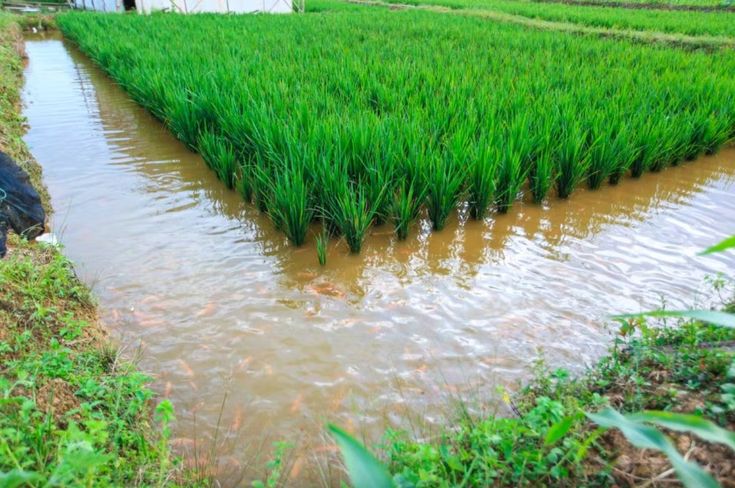
Additionally, rice-fish farming diversifies farmers’ income sources and improves food security by providing both staple grains and protein-rich fish. This practice is environmentally friendly, making efficient use of water and land resources, and is well-suited to Uganda’s wetland ecosystems, offering a promising avenue for sustainable aquaculture development.
Using wetlands for fish farming can be considered encroachment if it harms the ecological functions of the wetlands, such as biodiversity, water filtration, and flood control. However, sustainable aquaculture practices that integrate fish farming with wetland conservation—like integrated rice-fish systems—can utilize these non-arable lands without degrading them.
This approach balances food production with environmental protection, turning otherwise underused or “useless” land into productive, sustainable fish farms.
So, while there is a risk of encroachment if wetlands are exploited irresponsibly, well-managed fish farming in wetlands can be a smart, sustainable use of land that supports both livelihoods and ecosystem health. The key is to follow policies and practices that protect wetland functions while boosting aquaculture productivity.
The Real Deal on How Fish Farming Took Off
Fish farming was introduced in Uganda in the 1940s as a subsistence activity to provide cheap protein for rural households. The transition to commercial aquaculture gained momentum between 2005 and 2006, positioning Uganda among Africa’s top aquaculture producers. Today, aquaculture grows at an average annual rate of about 15%.
Current Status? More Like What The Fish Is Going On
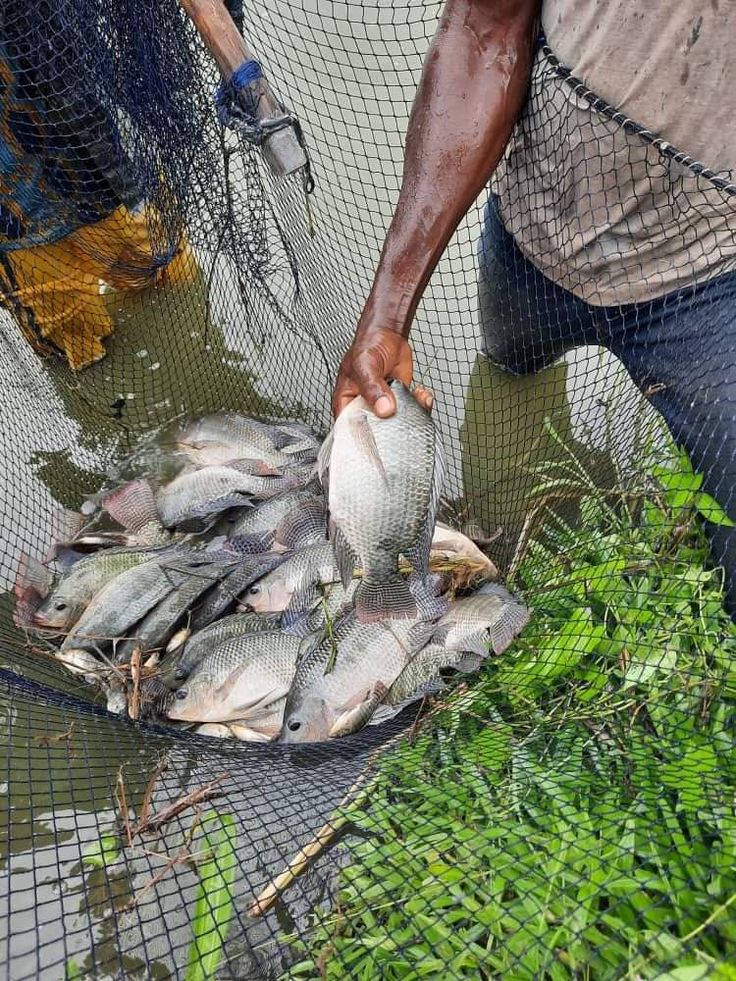
In reference to reports from the Ministry of Agriculture, Animal Industry and Fisheries (MAAIF), Uganda’s aquaculture sector comprises about 20,000 farmers producing about 120,000 tons of fish annually from over 25,000 ponds and 3,000 cages. By 2016, aquaculture contributed 20% to Uganda’s total fish production. Tilapia and Nile Perch dominate the market, with smoked varieties fetching premium prices.
In 2024, national fish catch rose by 6.3% to 727,034 MT, valued at UGX 2.087 trillion (approximately USD 560 million). Fish exports surged by 39%, reaching USD 216.42 million. As of 2026, market prices for fish vary by species and form: fresh Nile Tilapia typically sells for UGX 8,000 to 12,000 (about USD 2.15 to 3.20) per kilogram, while smoked varieties command higher prices, often reaching UGX 15,000 (around USD 4) per kilogram.
The demand for fish remains robust both locally and regionally, driven by population growth and increasing consumer preference for protein-rich diets.
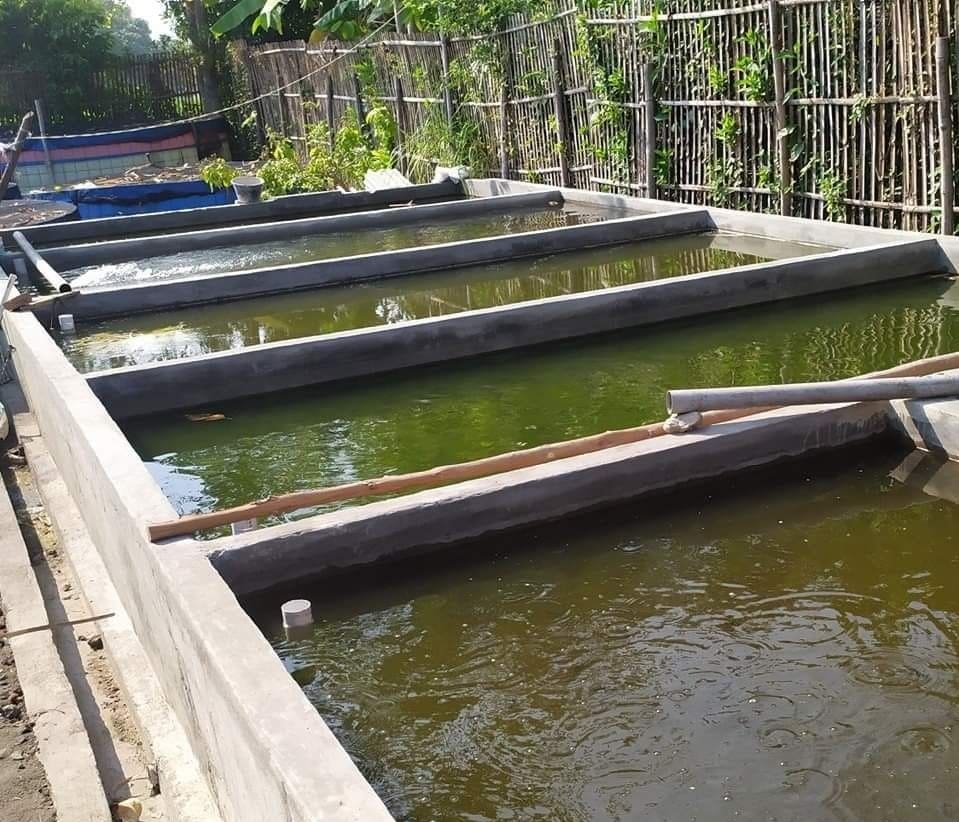
Why Uganda’s Fish Farming Rocks
- High demand: Both local and regional markets drive profitability.
- Favourable climate: Uganda’s equatorial location ensures year-round farming conditions.
- Abundant water resources: 18% of the country is covered by rivers, lakes, and swamps.
- Readily available inputs: Feed, seed, and equipment are accessible.
- Industrial processing plants: Support value addition and export readiness.
- Development partner support: International cooperation enhances capacity.
What Is Holding Us Back? Challenges Facing The Sector
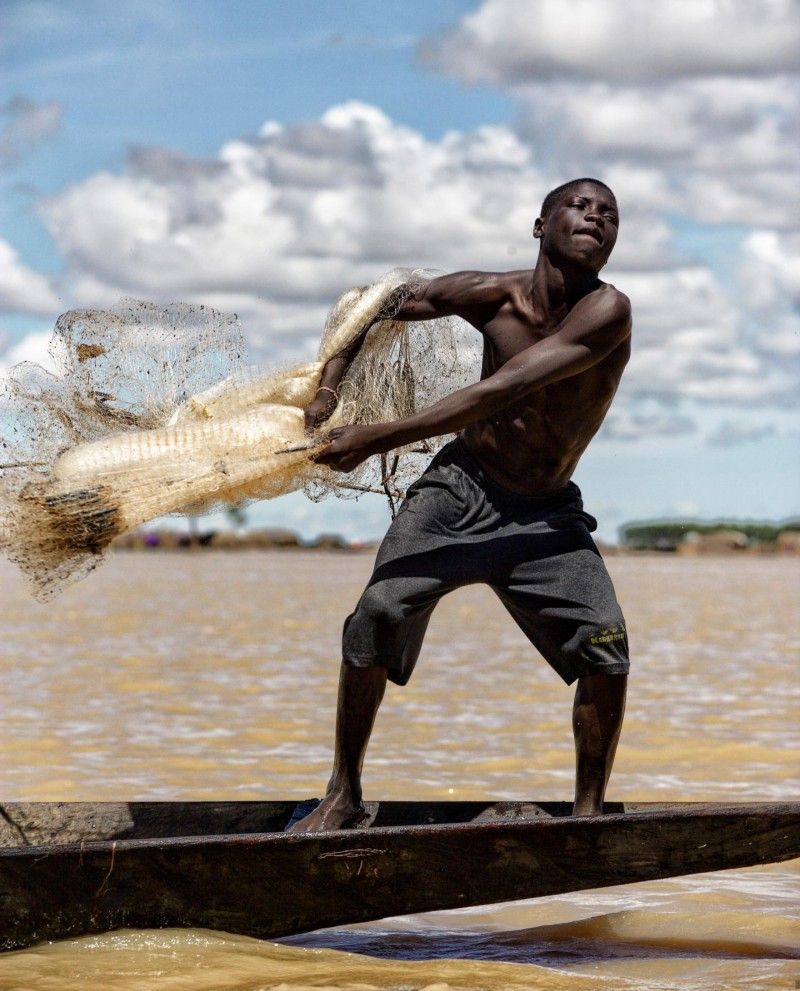
- > High investment costs for farm establishment.
- > Weak aquaculture associations and lack of organized markets.
- > Limited value addition and diversification.
- > Inadequate data to guide investments.
- > Constraints in feed and seed quality.
- > Low youth and women participation in commercial aquaculture.
Why Fish Farming Is Actually Worth Your Time
Fish is nutritious, socially acceptable, and climate-smart. Aquaculture utilizes non-arable land, improves livelihoods, and generates income. Unlike capture fisheries, aquaculture allows farmers to tailor production to meet market requirements, ensuring consistent supply of desired species and size.
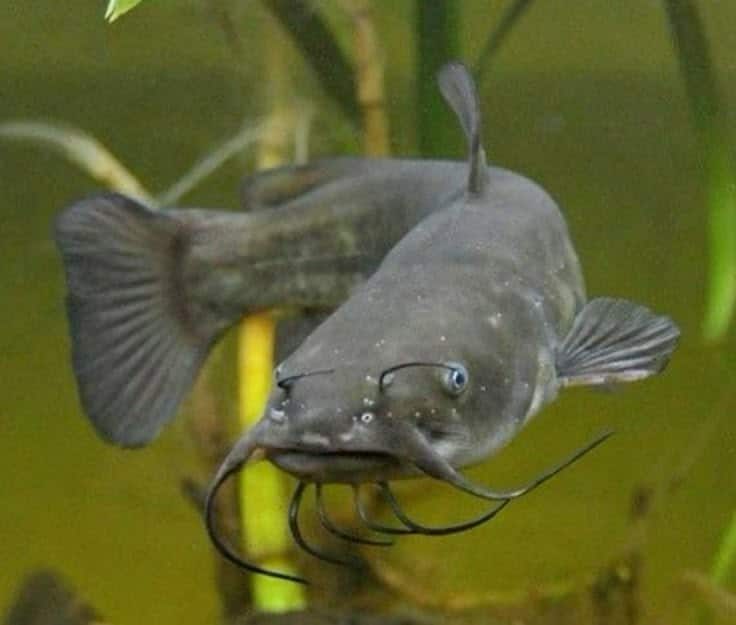
Commonly Farmed Species? Here’s What’s Swimming in the Ponds
- > Nile Tilapia (Oreochromis niloticus): Most widely farmed, highly marketable.
- > African Catfish (Clarias gariepinus): Second most important, versatile feeder.
- > Mirror Carp (Cyrpinus carpio): Grown mainly in highlands.
- > Singida Tilapia (Oreochromis esculentus): Indigenous species under development.
High-value indigenous species such as Ningu, Angara, and Mamba are gaining traction, offering diversification opportunities.
Policy and Governance? The Rules That Actually Matter
The Fisheries and Aquaculture Act (2022/2023) provides a legal framework for governance. MAAIF’s Aquaculture Training Manual https://www.agriculture.go.ug/wp-content/uploads/2020/03/MAAIF-AQUACULTURE-MANUAL-FINAL.pdf guides farmers on sustainable practices. These frameworks, combined with government backing, create a conducive environment for aquaculture expansion.
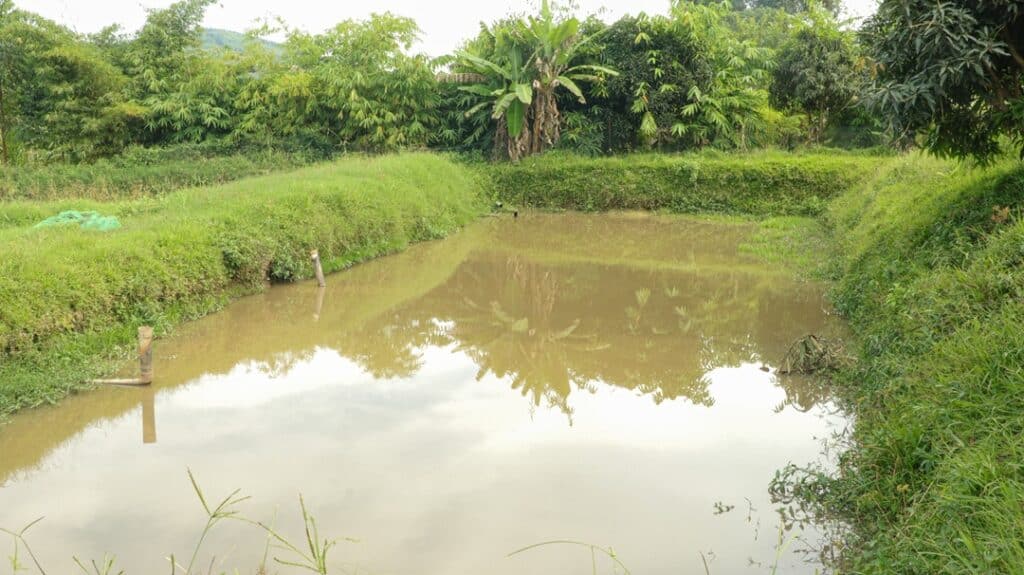
What The Future Holds: The Fishy Forecast
Uganda faces a deficit of one million tons of fish needed to meet national nutritional requirements. With wetlands integration, supportive policies, and private-sector investment, aquaculture holds the promise of bridging this gap. The sector’s growth is driven by rising local demand, regional market expansion, and favourable conditions.
Wrapping It Up: Here is the Fishy Truth You Can’t Ignore
Uganda’s aquaculture revolution is at a crossroads. The strengths—climate, water resources, demand, and policy support—are undeniable. Yet challenges in investment, organization, and value addition must be addressed. With strategic interventions, Uganda can transform aquaculture into a cornerstone of food security, economic growth, and environmental sustainability, positioning itself as a leader in Africa’s green harvest future.
