


Could you describe your journey and main responsibilities as District Production Officer in Isingiro?
I served as the District Production Officer in Isingiro District for 19 years, where I was responsible for coordinating and planning agricultural activities, supporting extension services, guiding policy implementation, and assisting local governments in executing production-related programs.
Throughout my service, I found great fulfillment in working closely with communities to improve their livelihoods. My efforts focused on enhancing agricultural production, strengthening access to extension services, facilitating the availability of agricultural inputs, and connecting farmers to reliable markets. I also prioritized food security and household income growth, ensuring that communities could sustainably benefit from improved agricultural practices and services.
How would you characterize the agricultural landscape of Isingiro District?
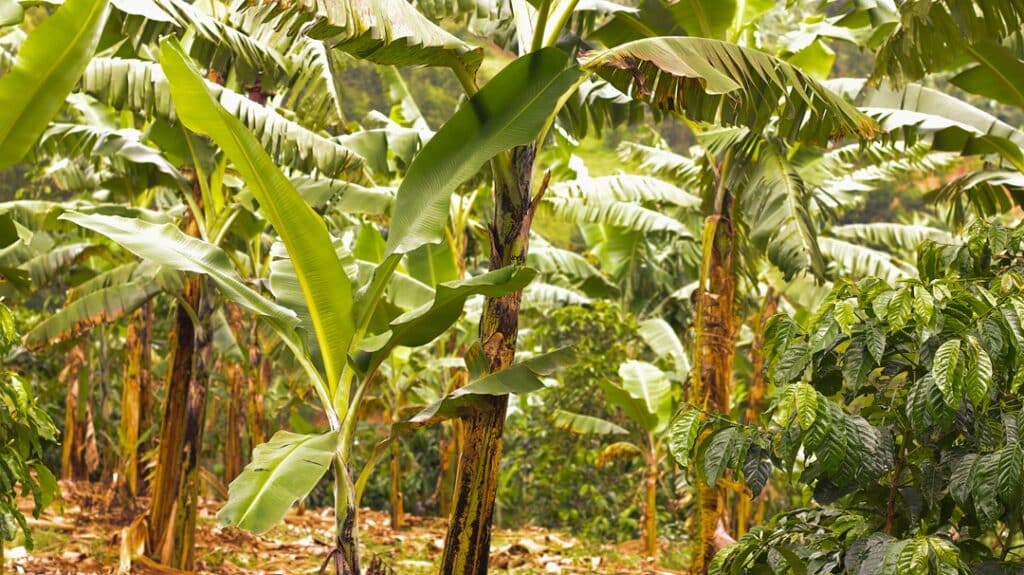
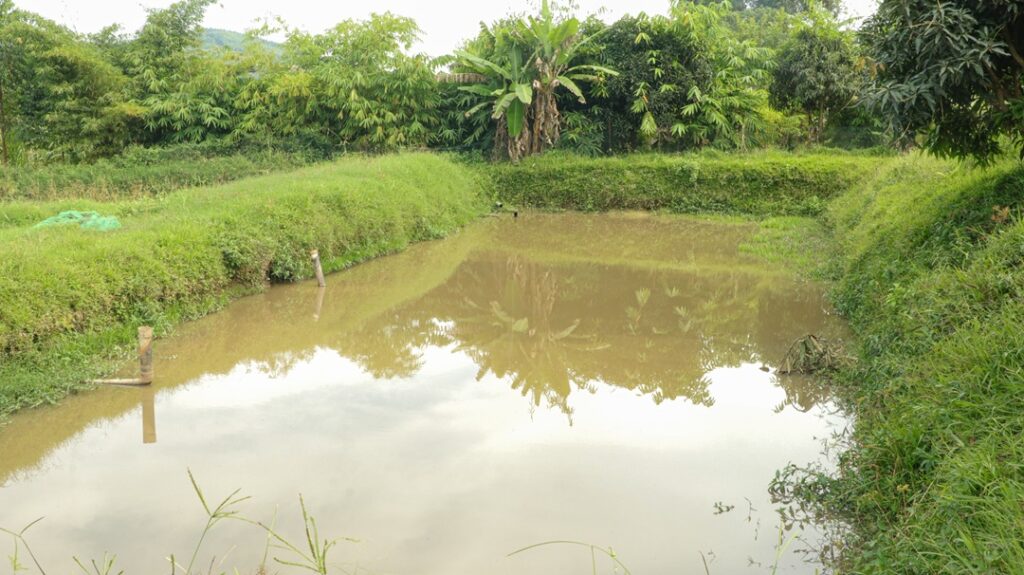
Isingiro District is widely recognized for its banana production, which stands as its most prominent agricultural enterprise. The district also supports the cultivation of coffee, beans, maize, vegetables, and a variety of fruits. Livestock farming is equally significant, with dairy cattle, dual-purpose cattle, and goats forming the backbone of animal husbandry. In addition, fishing activities contribute to the local economy, including capture fisheries on major water bodies such as Lakes Nakivale and Rwamurunga, as well as aquaculture through fish ponds and swamp-based systems.
Beyond agriculture, Isingiro is notable for hosting refugee settlements that are primarily supported by development partners. In this context, we provided technical assistance to strengthen agricultural and production-related initiatives, ensuring that both host communities and refugee populations could benefit from improved livelihoods and food security.
What distinctive challenges do farmers in the Western Region face compared to other parts of Uganda?
The Western Region is predominantly hilly, and this topography presents major agricultural challenges. The steep terrain makes many areas highly prone to soil erosion, limiting productivity and sustainability.
Poor road infrastructure further compounds these difficulties. In some areas, roads are inaccessible or cannot be constructed due to the rugged terrain, restricting farmers’ ability to transport inputs and market their produce.
Livestock production is also affected by frequent disease outbreaks, particularly foot-and-mouth disease and intestinal worms, which reduce productivity and incomes.
Land access remains a critical issue. Most land is held under customary ownership, passed down from parents to children. With each generation, landholdings become increasingly fragmented, making it difficult to achieve meaningful production on smaller plots.
Climate change has intensified vulnerabilities, disrupting rainfall patterns and agricultural cycles.
Post-harvest losses are high because most products are perishable, and poor infrastructure especially lack of access roads to some remote areas hinders timely access to markets. Limited electricity supply further restricts storage and preservation options.
Socio-economic challenges add another layer of complexity. Youth migration from rural areas to urban centers reduces the availability of agricultural labor. At the same time, high population pressure in the region strains resources, making equitable access and sustainable use of land and services more difficult.
How are these challenges being addressed?
The government has taken significant steps to address these challenges. In the road sector, efforts are underway to improve infrastructure, making it easier for farmers to access markets and services.
Rural electrification programs are also extending electricity to remote areas, helping communities overcome storage and preservation constraints.
To tackle youth unemployment, the government has introduced initiatives such as the Youth Livelihood Program, which supports young people in improving their livelihoods. This is complemented by the Parish Development Model, which also strengthens youth-focused programs and community development.
Socio-economic challenges are being addressed through the promotion of cooperatives, which enhance collective bargaining power and resource sharing.
In areas with limited land, intensive farming practices are being encouraged to maximize productivity on smaller plots.
Livestock and crop health challenges are being mitigated through extension services that promote integrated pest management practices. There is strong collaboration with the National Agricultural Research Organization (NARO), which is advancing breeding programs for drought tolerance, and resistance to diseases and pests.
What lessons did you learn from working directly with farmers?
One important lesson I have learned is that farming, while often regarded as a business, is also a way of life. Even after retirement, many people continue farming not only to earn income but also because it provides meaningful engagement, much like an office job does.
Another lesson is the value of practical knowledge in agriculture. Farmers possess a wealth of experience and insights, and when you work closely with them, you realize how powerful their knowledge can be. Engaging with farmers allows you to learn directly from their practices and adapt accordingly.
I have also come to appreciate that farming requires significant resources. You cannot expect returns without investment. Success in agriculture demands inputs, effort, and commitment.
Farming is highly contextual. What works in one area may not work in another due to differences in soil, climate, and local conditions. For example, the methods used to manage bananas in Isingiro may not be suitable in Sheema. This underscores the importance of agricultural research and tailoring practices to specific environments.
Agriculture is dynamic and constantly evolving. Market trends, weather conditions, and other external factors continually shape how farmers must position themselves to achieve the bestoutcomes. Flexibility, innovation, and adaptation are therefore essential for success in farming.
Which government policies and programs have shaped agricultural production?
Having served in my position for 19 years, I have witnessed several important policy shifts in the agricultural sector. One of the most significant was the development of the National Agricultural Policy, which provided clear guidance for investment in agriculture. This policy laid the foundation for subsequent programs such as the Plan for Modernization of Agriculture, which revolutionized farming practices and strengthened demand for extension services.
As a result, farmers gained greater access to extension services, and public–private partnerships in agricultural service delivery were enhanced. Building on this, the government introduced subsidy programs such as the Agriculture Cluster Development Project under the Ministry of Agriculture, and Operation Wealth Creation, both of which provided critical support to farmers.
Another milestone was the National Development Plan, which encouraged districts to prepare development plans and required the agricultural sector to design its own sector development plan with clear priorities and funding needs. This shifted government funding from a haphazard approach to a more structured, priority-based system, ensuring resources were allocated strategically.
However,
Despite the introduction of several government programs, implementation gaps have persisted. For example, inputs were often delivered late, and in some cases, their quality was inadequate. While the intentions behind these programs were commendable, weaknesses in execution undermined their effectiveness.
Political interference also affected the performance of key initiatives. The NAADS program, though well-intentioned, was heavily politicized, which led to its collapse. Similarly, Operation Wealth Creation suffered from political interference and did not achieve its full potential.
Another challenge has been the limited uptake of technologies promoted through these programs. In some communities, apathy hindered adoption, while a “free things syndrome” created dependency and reduced ownership of initiatives.
Infrastructure constraints further limited impact. Poor road networks made it difficult to transport inputs and outputs, while weak storage facilities and limited electricity access reduced the effectiveness of interventions.
Environmental challenges also emerged. In the pursuit of higher production, farming activities were extended into fragile ecosystems such as reserve forests and wetlands. This led to environmental degradation and negative ecological consequences.
What policy reforms would you recommend to attract greater investment in agriculture?
Through my interactions with farmers, I have observed that agriculture is highly vulnerable to a variety of uncertainties. From climate-related challenges to unpredictable weather patterns, as well as outbreaks of pests and diseases.
To mitigate these risks, it is essential for the government to introduce and strengthen agricultural insurance schemes. Such programs would provide farmers with a safety net, cushioning them against losses and enabling them to sustain their livelihoods despite these challenges.
What policy reforms would you recommend to attract greater investment in the agriculture sector?
To attract more investment and enhance value addition in the agricultural sector, several policy improvements are necessary. First, regulation must be strengthened, particularly in relation to infrastructure and service delivery. Strong policies cannot succeed if roads, storage facilities, and other critical infrastructure remain inadequate.
Access to finance, credit, and insurance services also needs to be expanded and made more reliable. Farmers require financial tools to manage risks and invest in productivity.
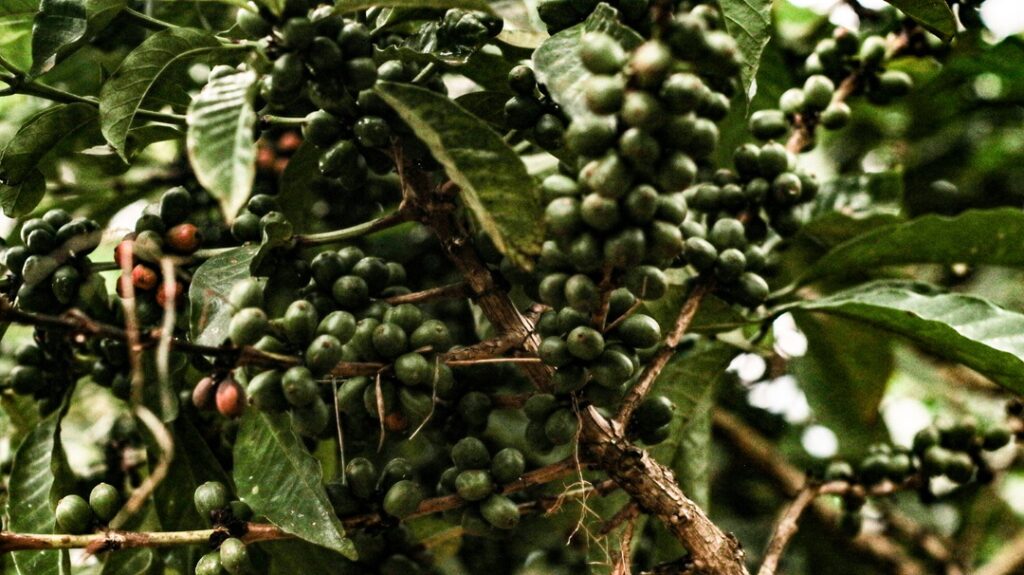
There is a pressing need to invest in value addition and market linkages so that agricultural products can be processed and marketed effectively. For example, although Uganda produces large volumes of coffee, domestic consumption remains low. Promoting a coffee culture and deliberately creating local demand would help build a sustainable domestic market, similar to Ethiopia, where most of the coffee produced is consumed locally.
Continued support for research and innovation through NARO is essential. However, research outputs must be effectively disseminated through strengthened extension services; otherwise, valuable technologies risk remaining unused.
Global markets increasingly demand traceability, requiring producers to demonstrate where and how products are grown. Uganda must therefore align production with international standards, ensuring compliance with traceability requirements to remain competitive.

Why is Uganda an attractive destination for agricultural investment?
Uganda is a highly productive country, blessed with fertile soils and abundant water resources across most regions. These natural endowments provide a strong foundation for agricultural investment.
Population dynamics further enhance this potential. With nearly 70% of Uganda’s population made up of young people, there is an abundant labour force readily available to support agricultural enterprises. Investors can be confident in accessing reliable manpower.
The government has also created a favourable tax environment, offering exemptions on; Plant and machinery, Agro – Processors, Seeds for Sowing, Horticulture, Agriculture or Floriculture and Aquaculture Inputs, Commercial vehicles of 20 tonnage and above, and Inputs for use in the manufacture of agricultural equipment.
These incentives reduce production costs and encourage investment in modern farming technologies.
Uganda’s attractiveness as an investment destination is reinforced by its political stability and sound macroeconomic policies. In addition, the country enjoys access to both regional and international markets. Investors who establish production in Uganda can easily reach neighbouring countries and beyond, ensuring wide market opportunities for their products.
How do investment conditions differ for Ugandan citizens and foreign investors?
When it comes to land access for foreign investors, government support is essential. Local investors often already own land or know how to navigate the customary systems to acquire it.
Foreign investors, however, are unfamiliar with these processes and face significant challenges. This is where government must take the lead—facilitating access to land and creating a more transparent, supportive framework. Strengthening this aspect is critical to attracting and sustaining investment in the agricultural sector.
Which high-potential areas in agriculture should be prioritized for investment and value addition?
Several factors determine high-potential areas for agricultural investment. One is the production and productivity of an enterprise, and the other is its value. Uganda has a number of enterprises with strong potential where heavy investment would yield significant returns.
For example, banana production combined with value addition offers immense opportunities. Similarly, fruits and vegetables, as well as oil crops such as sunflower and soybean, are high-value enterprises worth investing in.
Other promising areas include dairy farming, which has strong demand, and fisheries, where value addition can greatly increase profitability. In addition, horticultural products and spices such as chillies present attractive opportunities for both domestic and export markets.
Altogether, these enterprises represent high-potential areas for investment, particularly when coupled with value addition strategies that enhance competitiveness and market access.

A Very inspiring article.
Get more related photos/pictures into the story.
Thank you Ms/Mrs. Monica for the comment and the insight