


Tradition? Meet Technology
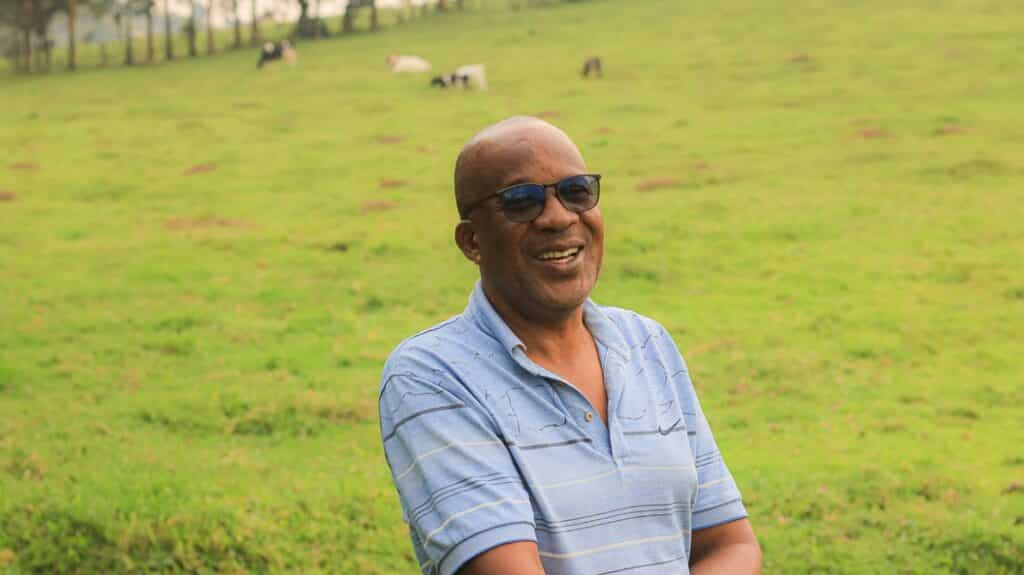
Dairy farming in Uganda is more than a livelihood; it is heritage. For David Mujuni – Artificial Insemination Expert and Dairy Farmer with over 30 years of experience, and whose grandfather and father were dairy farmers, the baton of tradition is now carried with modern tools.
“Obviously as generations change, times change. Right now, land is smaller compared to my grandfather’s time so I have to adopt modern farming techniques like the paddock system and Artificial Insemination (AI) to increase production and attain maximum profit from what I have.”
Three Litres? Not Good Enough
After school, Mujuni returned to his father’s farm to learn the family business. He recalls:
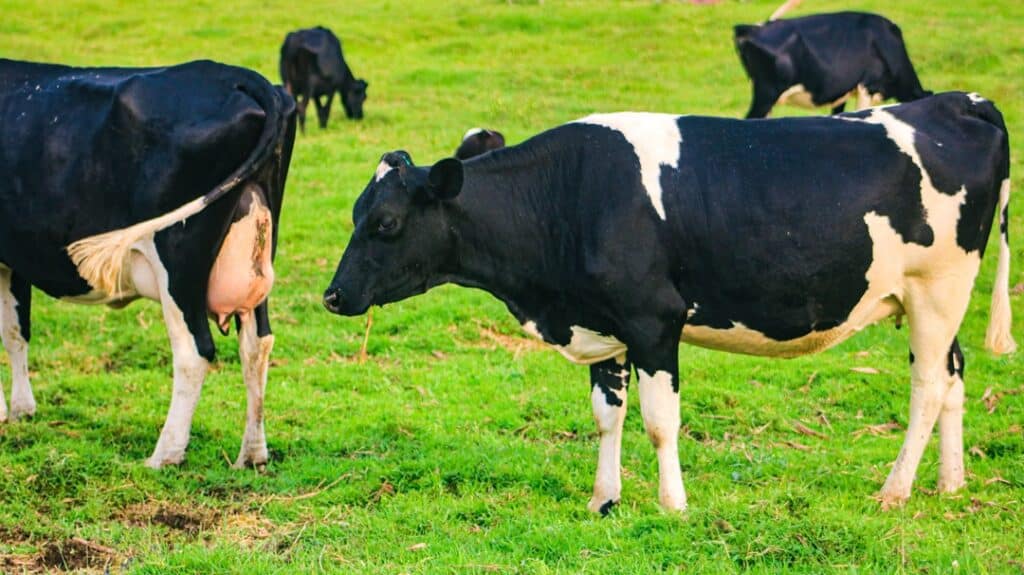
“Originally, we had indigenous cattle breeds… but I realised that production was less. A local cow produces about 3 litres of milk per day yet exotic breeds about 20 litres per day. Learning this, I made up my mind that breeding was the way forward.”
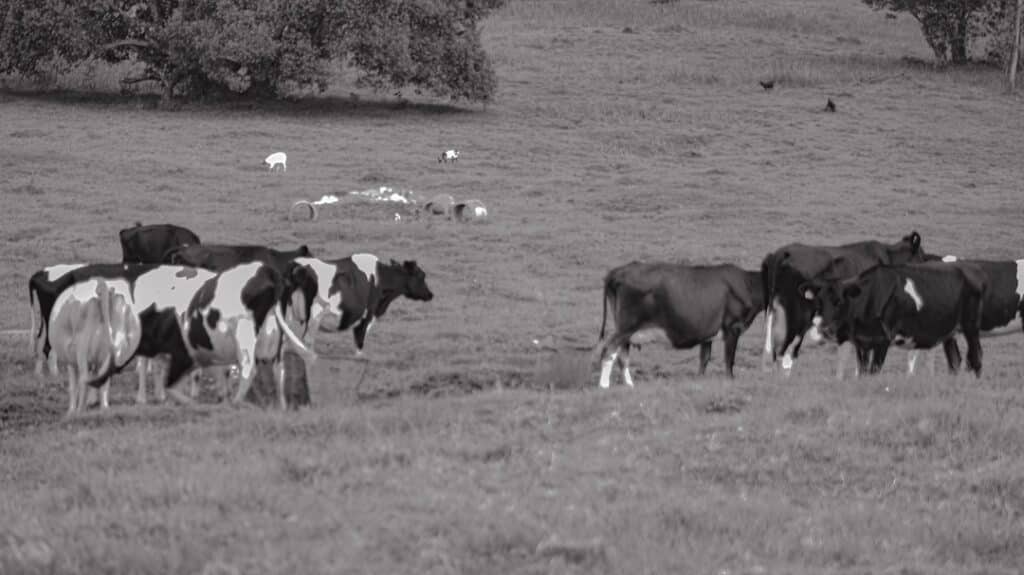
That decision led him to study AI, becoming a technician with over 30 years of experience. Today, his herd of Holstein Friesian, Jersey, Brown Swiss, and Usher breeds produces up to 100 litres daily.
AI: Stop Pretending It’s Optional
Global research confirms that over 70% of dairy farms worldwide use AI (FAO, 2024). The reasons are clear:
- Genetic Improvement: AI spreads elite bull genetics quickly, improving milk yield, fertility, and disease resistance.
- Efficiency: Farmers avoid the cost of maintaining multiple bulls.
- Biosecurity: AI reduces disease transmission compared to natural mating.
- Predictability: With sexed semen, farmers can plan for heifers or bulls, ensuring herd sustainability.
Mujuni affirms:
“Being a dairy farmer, I would choose AI any day because your bulls are in a container instead of having a variety of bull breeds on the farm which could turn out to be expensive.”
Climate Change Doesn’t Care. Adapt

Climate change is reshaping farming realities, but Mujuni has adapted with resilience.
“I use the paddock system where I plant maize and reeds to make silage for my cattle to counter dry spells. I also have an underground water pump to get more water for my cattle, on top of the small stream that flows through my farm.”
This approach highlights how modern dairy farmers must combine breeding technologies like AI with climate-smart practices to ensure consistent milk production even during droughts.

Disease? Sorted (Mostly)
Disease is a constant threat in dairy farming, but Mujuni emphasizes that it is manageable.
“The government of Uganda is actively involved in rolling out vaccination campaigns when there is an outbreak. The most common diseases; East Coast Fever, mastitis and tick-borne diseases are easily taken care of.”
This shows how AI complements disease control: by reducing the need for multiple bulls, AI lowers the risk of sexually transmitted infections, while government interventions safeguard herd health.
Breeds That Pay, Not Just Graze
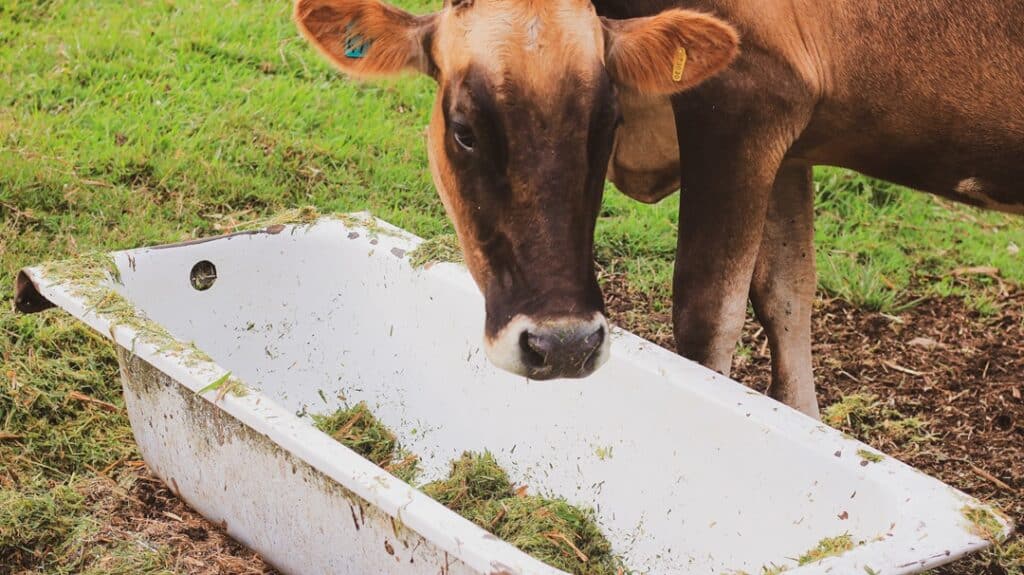
Mujuni’s herd demonstrates the market advantage of AI:
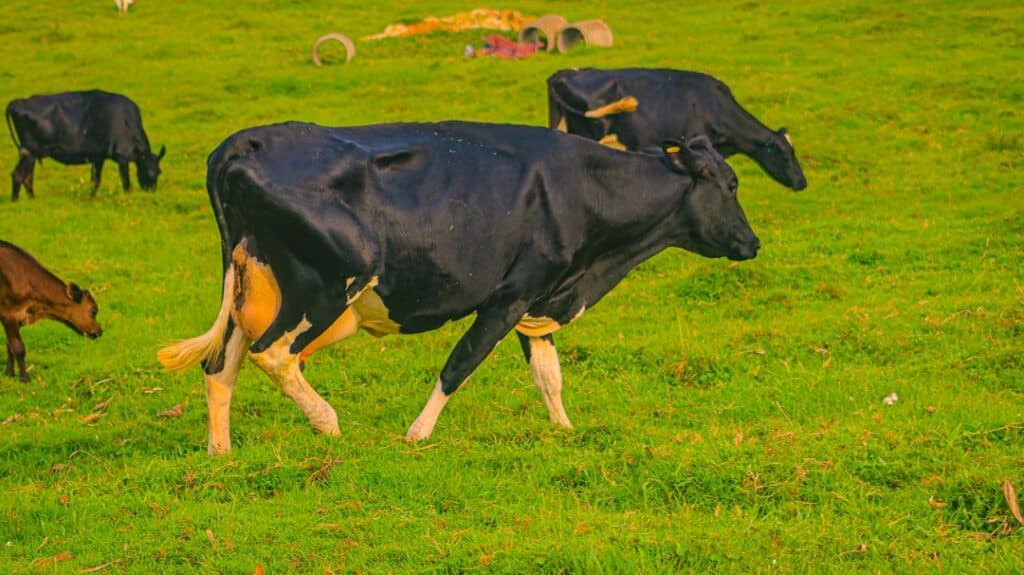
- Holstein Friesian: Large, high-yield, but feed-intensive.
- Jersey: Small, high milk quality, excellent butterfat content.
- Brown Swiss: Balanced yield and resilience.
- Usher: Smaller, adaptable to free-range, yet productive.
“With these breeds, you have quality and quantity leading to better prices in the milk market.”
Milk Never Sleeps. Neither Should You
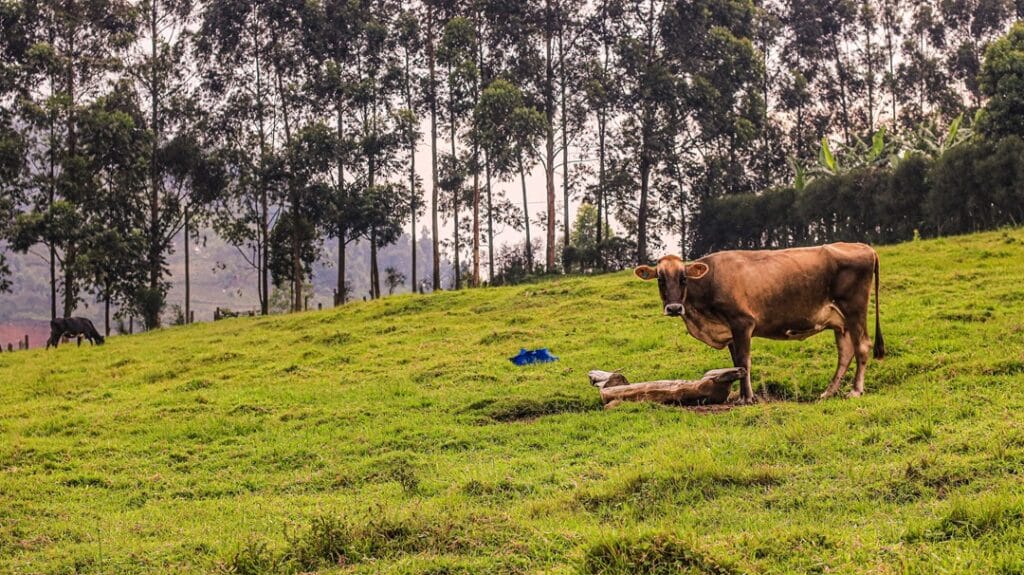
Milk is not just a farm product—it is food. Mujuni points out that demand is consistently high.
“Milk is food, and with many milk products now like yoghurt, ghee, butter, cheese, powdered milk, the demand is equally high.”
This commercial reality strengthens the case for AI: higher yields and better breeds mean farmers can meet growing demand for diverse dairy products, positioning themselves competitively in both local and regional markets.
The Future Is Already Here

AI is evolving rapidly:
- Sexed AI: Farmers can now predetermine calf sex.
- Embryo Transfer (ET): A single elite cow can produce dozens of calves annually, multiplying superior traits.
- Digital Tools: Pregnancy can now be detected at 28 days, compared to 3–4 months in the past.
“AI has come a long way… Now, AI is sexed and we are moving on to embryo transfer. The future looks bright with better information about your breed.”
Strengths, Weaknesses, No Excuses
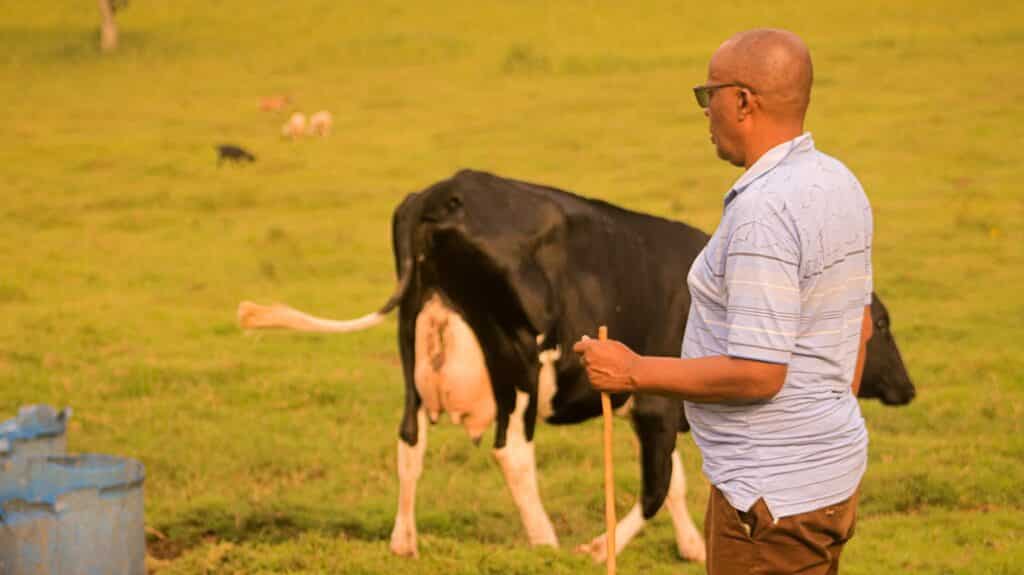
- Strengths of AI: Genetic gain, disease control, cost efficiency, market competitiveness.
- Weaknesses: Requires skilled technicians, reliable cold-chain storage, and farmer training in heat detection.
- Uganda’s Gap: Limited technician availability and farmer awareness, but government vaccination campaigns and extension services are bridging the divide.
Uganda vs The World: Who’s Winning?
David Mujuni’s journey reflects Uganda’s broader transition from indigenous breeds to modern reproductive technologies. While Uganda is steadily scaling up AI through NAGRC&DB programs and government-backed e-voucher systems, global dairy leaders have already embedded AI into their farming DNA.
- India: The world’s largest milk producer, where AI is central to productivity growth. Farmers access semen from elite bulls through national schemes, boosting yields across millions of smallholder farms.
- New Zealand: AI has been mainstream for over 50 years, delivered by professional technicians and supported by Livestock Improvement Corporation (LIC). Genomics and sexed semen are standard practice.
- USA: More than 70% of dairy farms use AI, supported by university extension programs that train farmers in reproductive management.
- Netherlands: Precision breeding integrates AI with digital herd management systems, ensuring sustainability and efficiency.
- Denmark: AI is widely used but faces consumer scrutiny, with debates around ethics and transparency in milk production.
Uganda’s adoption is emerging but promising. Farmers like Mujuni demonstrate that even small herds can achieve commercial-scale production when AI is combined with good management. Yet, compared to global leaders, Uganda faces challenges: technician shortages, cold-chain logistics, and farmer awareness.
UCSATP-Guidelines-for-Artificial-Insemination-service-Providers.pdf
Patience Pays. Impatience Costs.
Mujuni cautions new entrants:
“Most investors want to rip instant benefits… However, it is important to note that patience, experience and mentorship are key as a first-time investor. Money is not enough; knowledge and expertise are important.”
Artificial Insemination is not just about breeding, it is about resilience against climate change, protection against disease, and meeting the ever-growing demand for milk and milk products. It is a gateway to the future of dairy farming in Uganda, ensuring that tradition evolves into prosperity.
With patience and knowledge, Uganda’s dairy sector can leverage AI and ET to stand alongside global leaders.
Watch Full Interview:
https://drive.google.com/file/d/1Fp7xEfoD6MVzk4rBwqpidSpRiiWa_iJH/view?usp=sharing

What an inspiring story!!
Pics very clear…
Thank you dear. Glad you enjoyed the story